It was Summer 2025, I had just graduated from my Master’s and I wanted to do something big. I had fresh savings from my internship and the fellowship I was receiving to pay for my Master’s and I wanted to do something that I knew I was going to remember forever, but what exactly?
For once in my life, I was lacking inspiration. I had many ideas: Lebanon, Namibia, Mexico, Argentina, Central Asia…but none of them really convinced me. At least not enough to make such a big investment.
It was precisely my lack of inspiration that pushed me to put it this way: if nothing convinces me enough, why not a bit of everything? And that’s when the idea of doing a full tour around the world came to my mind. I realized that I had never fully done a circle around the world — this is, start in “point A” and go East until I reach my point of departure. That became my only “rule”. Also, when deciding my route, I pledged to: (1) take the cheapest flights East, as my budget wasn’t that big, and (2) try to prioritize visiting different regions (at least culturally).
After some days of careful planning, I was off to start what would be my longest and most exhausting trip of my life.
Off to a really bad start
Believe it or not, I have a list of all the airports I have slept at. Despite that list having more than 20 entries, I do not enjoy “sleeping” on a cold airport floor while waiting for my early morning flight. Still, the first leg of my odyssey couldn’t start differently.
In order to make it to a 6AM flight to Rome, I had to make my way to Porto Airport from Vigo (Galicia) the previous evening, as there weren’t any buses that could drop me at the airport in the early morning. After making it through the night at the Portuguese airport, I took the very first flight of my journey to Ciampino. Still, Rome was not my first official destination — I was there just to switch airports and take another plane to my next destination.
Once in Fiumicino Airport, the lovely (irony) staff from WizzAir announced that my flight to Sarajevo would not be able to take off on time due to bad weather in the Bosnian capital. My weather app showed clear skies and almost no wind in Sarajevo, but hey, I’m not a pilot. After an unsuccessful half an hour of asking for volunteers to give up their seats and be placed in next morning’s flight, the staff announced that the flight would be able to take off nonetheless.
I was already flying over the Adriatic, thinking that I was going to be able to make it to Sarajevo with just one hour of delay. I was wrong. Half-way through the flight, the pilots announced that they wouldn’t be able to land and that they were diverting the flight to Tuzla, in North-Eastern Bosnia.
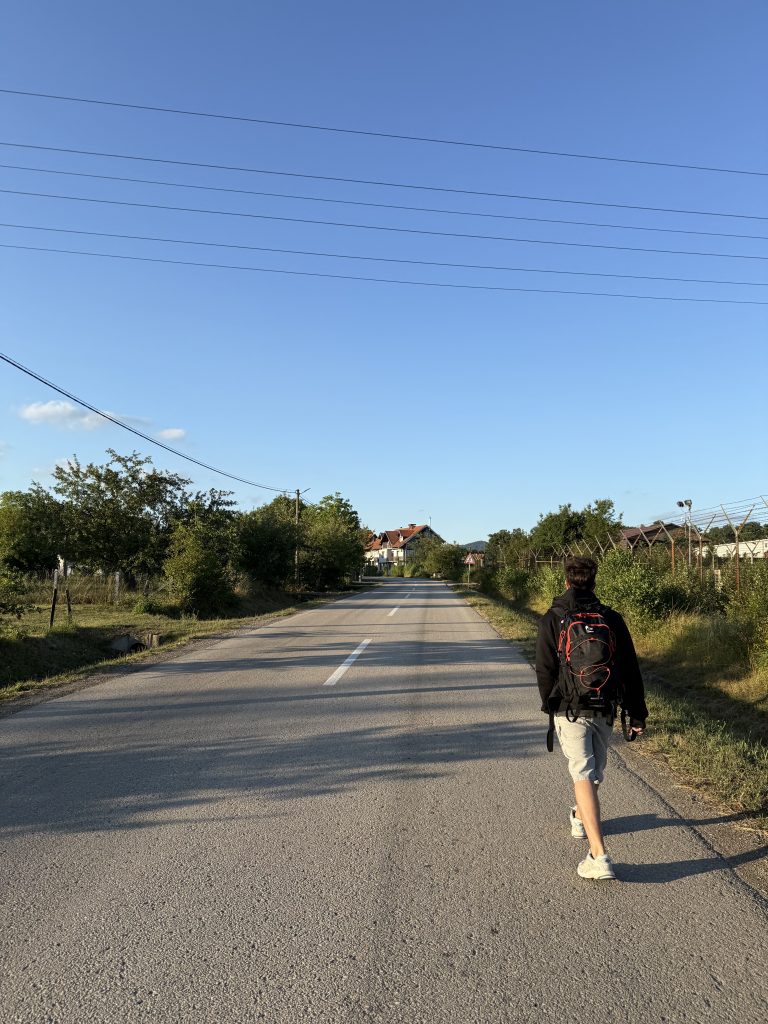
As we landed, I learned that Tuzla, and especially its airport, are in the middle of nowhere. There were no scheduled flights expected to arrive for the rest of the day and there was therefore no transportation to the town center. We were essentially left stranded in the Bosnian countryside with a vague promise of a bus that would come pick us up to take us to Sarajevo.
While making time for the buses to come I managed to befriend a group of Spanish tourists that were going to do a tour around the country. As there were no signs of the bus coming, we decided to walk outside the airport into the small village that surrounded it in search of something to eat or drink. I must say I enjoyed my stroll around the Bosnian countryside — the people were friendly despite not being able to communicate with them and it somehow reminded me of Galicia.
After a couple hours waiting (and after missing two buses due to my side-quest across the village) I managed to take the “promised bus” to Sarajevo. Three hours later, the bus driver dropped us at the Airport of Sarajevo, where I was meant to have landed seven hours earlier. Fortunately, the group of Spanish tourists, who had rented a car, offered to take me to my hotel, which I highly appreciated.
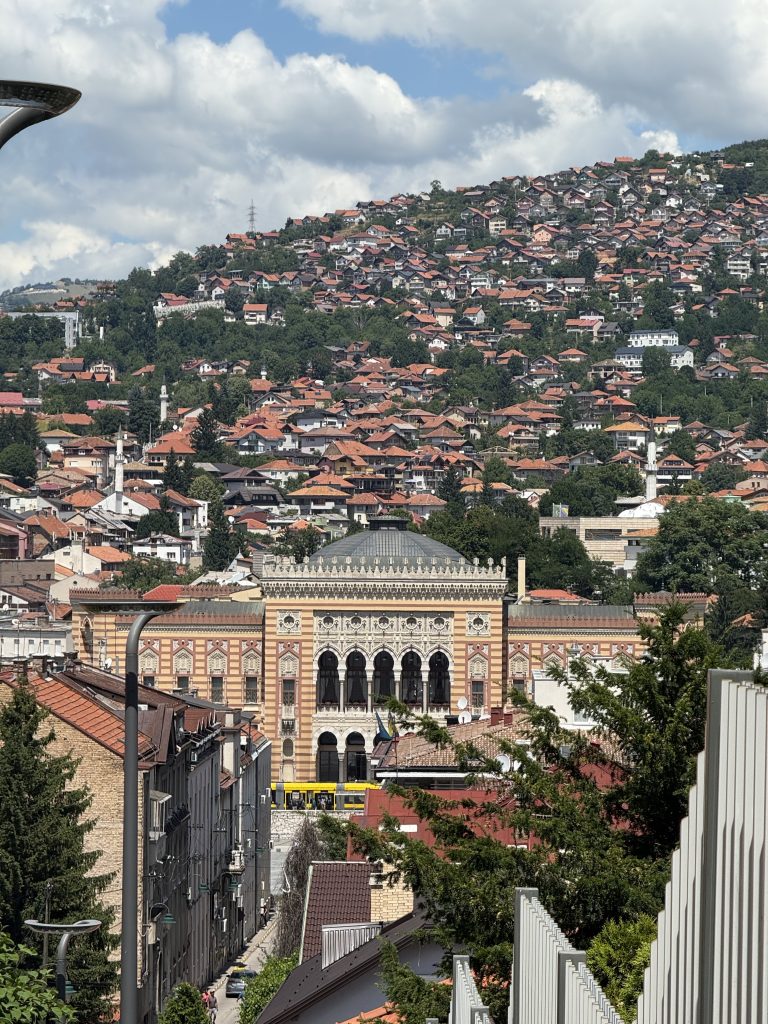
The next morning, which was also my last day in Bosnia, I tried to visit Sarajevo as thoroughly as I could. I will be honest; I didn’t fully enjoy it. I still think that Zagreb and Belgrade are far worse, but I was expecting more from Sarajevo. Everybody that has been there has talked wonders about the Bosnian capital, but I just didn’t click with it.
A big reason for that were the prices — absurdly high compared to other Balkan towns. Most museums and tourist attractions were quite pricey, which I was not expecting, at least not here. On top of the prices, it is clear that Sarajevo is quite massified these days. The tourists crowd every corner of the old town making it extremely hard to walk around. Yes, I know I am part of the problem, but it is still important to bring it up.
Sarajevo is what you expect of a Balkan town. Comically brutalist around the new part and a cozy old town that tells you about the history of the country. The Ottoman influence is stronger here than in other Balkan capitals. The minarets populate the skyline of Sarajevo and the old town is well equipped with Ottoman ruins.
Something also unique about Sarajevo is its people. You can perfectly see a Bosnian girl wearing tight shorts and a strong red lipstick hanging out with other girl wearing a burka. The mixed nature of Bosnia’s people is what makes this country stand out, but also what brought it to a cruel war in the 90s. Orthodox Serbs, Catholic Croatians and Muslim Bosniaks fought between each other to decide over the future of the country.
The siege of Sarajevo was the longest in modern history, surpassing the siege of Saint Petersburg or Berlin, between others. It is still surprising how Bosnia managed to make it through the conflict without disintegrating. The war is still very recent, and I wish I had the language skills and time to talk with the survivors about it. After a small taste of Bosnia’s cuisine, I headed back to the infamous airport of Sarajevo for the second destination of my world tour.
The Turkish disappointment
As a kid I always dreamt of visiting Istanbul. The city between Europe and Asia, the center of the world for centuries.
My first trip to Istanbul left me indifferent. I had mythified the Turkish city for too long and when I visited it I did not feel the magic in it. At that time it was very cold and I struggled to move around the city. The historical places I had been craving to visit for ages disappointed me greatly. Was it due to the big crowds? Was it because of the bad management of the sites?
At that moment I was only 19 and I had just started to travel the world. At first I thought it had been a clash of expectations so I promised to give Istanbul a second chance — and that exactly what I am doing on the second stop of my world tour.
Some things have improved in Istanbul compared to the first time I was here. Now the Sabiha Gökçen Airport has a convenient metro line that take you to the city center. The passport controls seem to be faster and it is, overall, easier to get around. Sadly, many of the factors that made me dislike Istanbul the first time are still there.
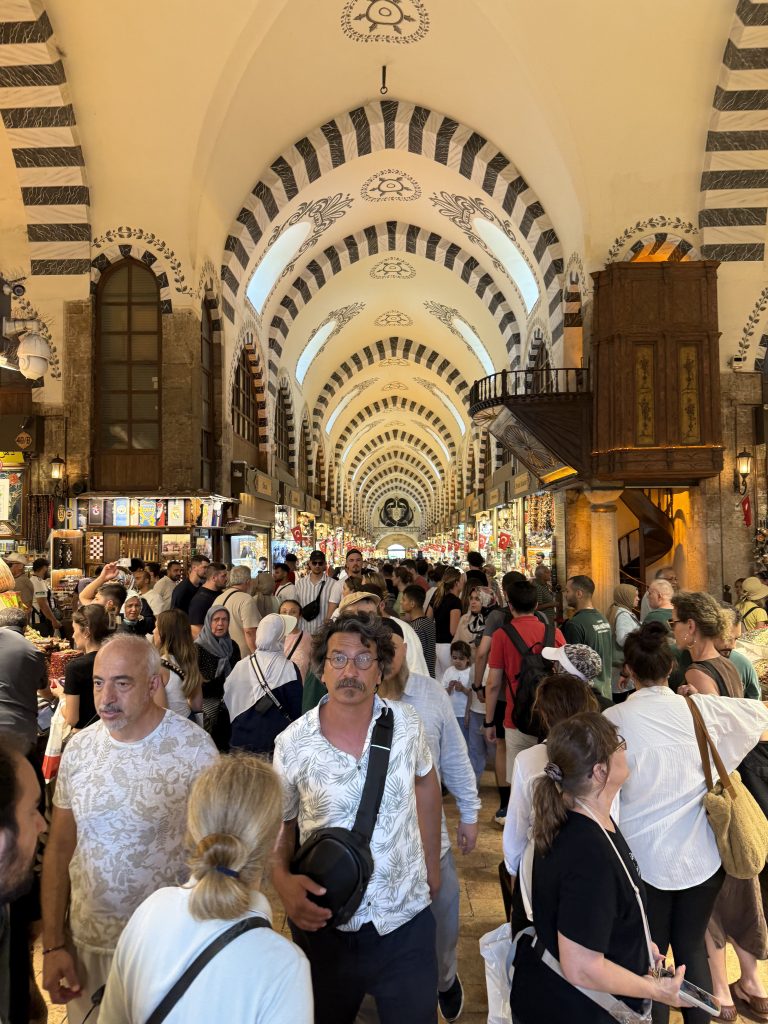
I understand that complaining about the massive crowds of tourists while being one is not right — but I cannot help to point this out. The hordes of tourists in this city are nothing short of those of Paris or Rome. Around the area of Sirkeci it is almost impossible to walk without bumping into people. I guess these are the downsides of traveling during the peak of Summer.
Perhaps the worst part of it, at least this time, are the prices. I do not exaggerate when I say that Istanbul’s museums are more expensive than those of New York. It is truly outraging. The tickets to visit places such as the Dolmabahçe Palace, the museums of the Golden Horn, the Galata Tower or the Topkapi Museum cost at least 30€ in their cheapest form.
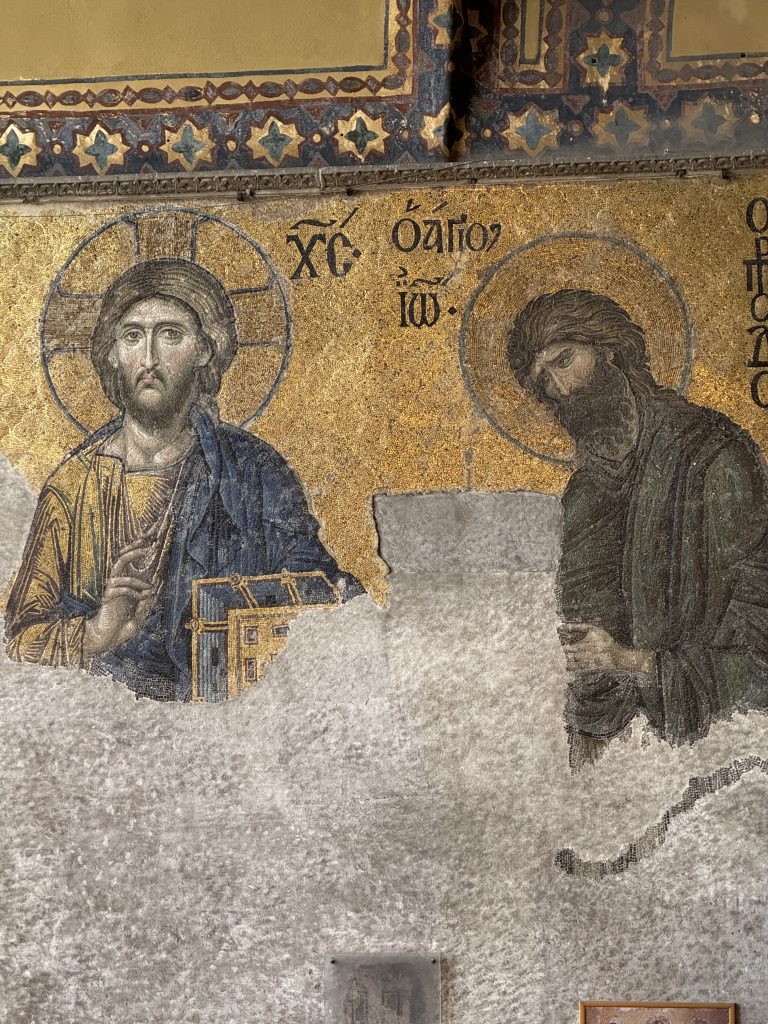
What to me feels like some sort of joke or revenge from Erdogan is the fact that now non-muslims must pay at least 25€ to visit Hagia Sophia. This ticket only allows visitors to walk around the balcony without accessing the main section of the old church. For millions of Orthodox Christians, Hagia Sophia is their holiest place of worship, even if it was converted into a mosque centuries ago. But what can I say? Nothing in Turkey surprises me anymore.
Back in 2022 I could enter freely to Hagia Sophia, and most of the tourist attractions were reasonably priced. What happened to this city? Despite the crippling inflation that affects Turkey, prices seem to grow even faster. It was hard for me to find a place to have dinner in the Sirkeci area for less than 15€. In the past, I recommended my friends to visit Istanbul for a cheap holiday, now I might as well recommend them to go to Paris. Their wallet will not feel the difference.
One cannot even take a picture of a street cat anymore. On my way to Taksim Square around the area of Galata Tower, a rude man called me off for taking a picture of a cat taking a nap in the street, saying that I was violating his own privacy and that it was not a tourist attraction. Do cats have copyright now? Is it illegal to take a picture in a public street? Overtourism seems to have killed the judgement and patience of some people, but I do not blame them.
I hope Istanbul finds a way of managing visitors, which is at the core of its identity, and hopefully this does not imply increasing its prices even more — it just does not work. Until then, I doubt I will return to Istanbul. Not in the near future.
Making peace with the Persian Gulf
I genuinely do not like a single thing about the Gulf. I first tried with the UAE, and then a year later with Kuwait. I keep struggling to say anything good about these two countries — scorching heat, big, dehumanized cities made out of skyscrapers and kilometers of concrete. An entire society based on money and luxury. For me, these countries that run on oil-powered AC represent the complete dehumanization of civilization. It is just not for me.
Still, I decided to give Bahrain a try as the third stop of my world tour. Not because I was dying to come here, but because I wanted to pass by an Arab country on my world tour. Perhaps it is my low expectations or a matter of “right-time, right-place”, but I think I liked Bahrain.
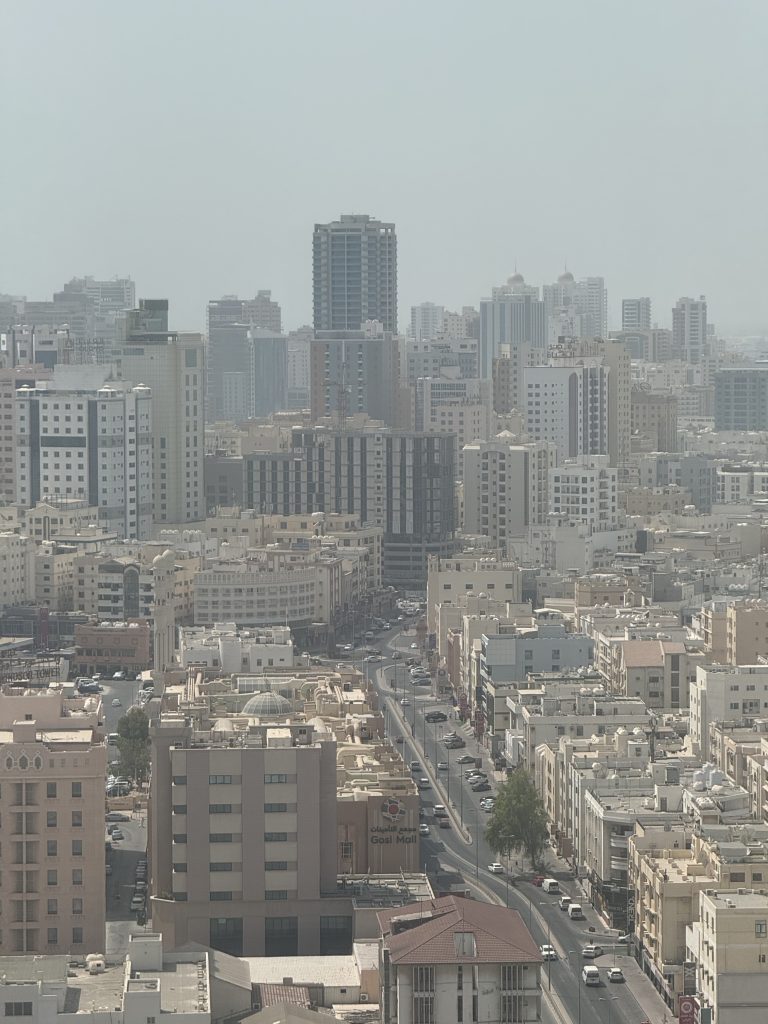
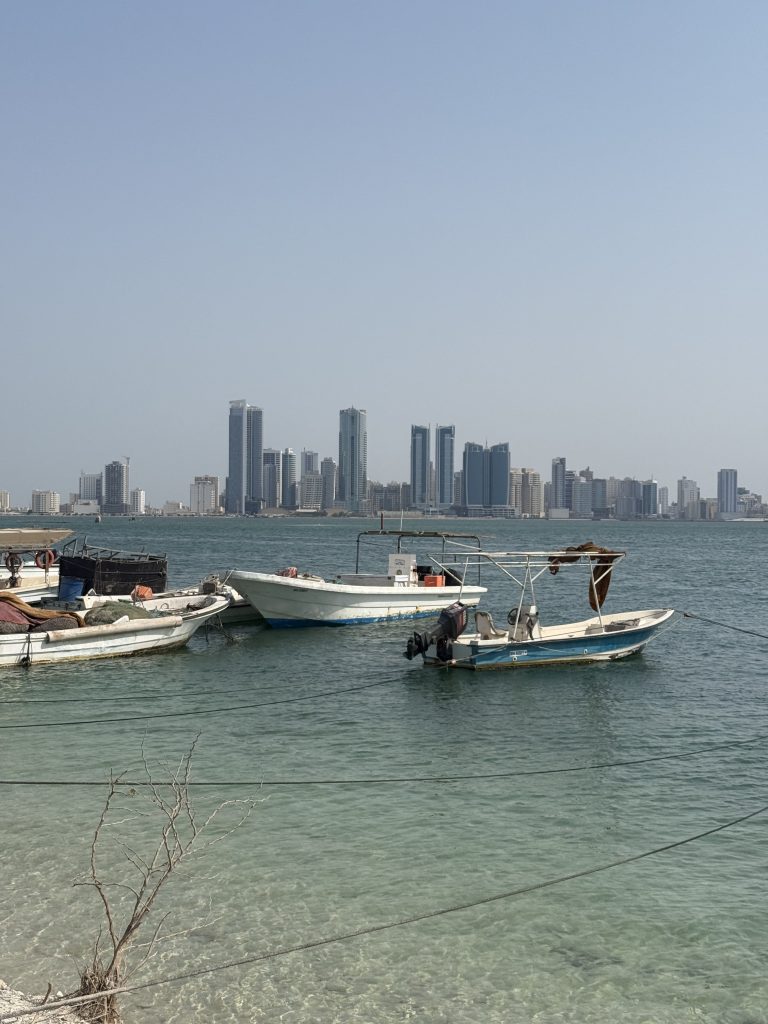
Don’t get me wrong — everything I said about the Gulf countries before also applies to Bahrain, but here everything just makes more sense to me. All my complaints just fit more naturally and rather harmoniously.
My European mindset made me choose to walk around Bahrein to cut costs as a way to visit the country. Needless to say, it was a bad idea. The heat soon started affecting my vision and I had to stop in a few shops with AC to catch my breath. Still I was committed to do everything I wanted without depending on Uber.
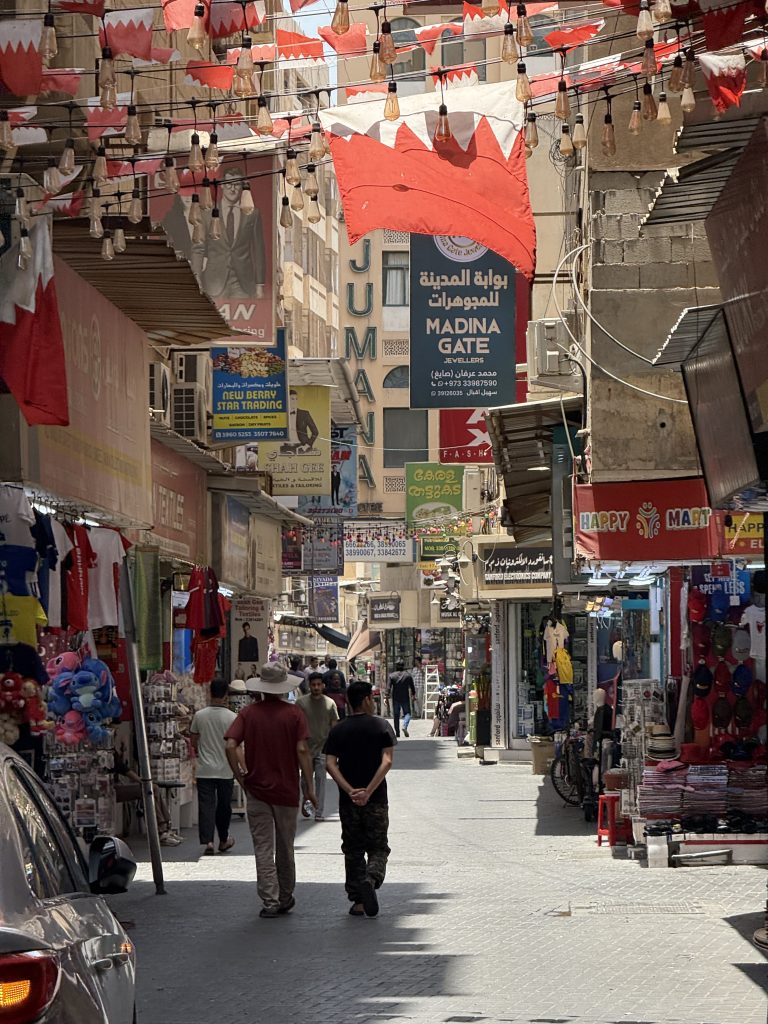
I was surprised to see that Bahrain has some kind of old town. It is just an agglomeration of small houses, but there I actually felt like I was in a hood — in a place where actual people live, with their culture, their customs and their things going on. What I am saying might sound a bit odd, but if you’ve been to this region before you’ll know how hard it is to have this feeling.
The old souk is filled with spices from all around the world and the streets are rather lively despite the real feel being close to 41ºC. Despite the skyscrapers, the big malls and the luxury, Bahrain did not feel artificial.
The National Museum, although it doesn’t have much, allowed me to understand a bit better the history of this mysterious country. Now I know that Bahrain was home to the Dilmun Civilization, and that although the King is Sunni, most of the country’s population is Shia and there is a lot of influence (especially in the architecture) from Iran. In fact, Bahrein chose in the second half of the 20th Century whether they wanted to join Iran, stay with the UK or become an independent country. They chose the latter.
Although the Bahraini Dinar is stronger than the euro, things were somewhat affordable there. I could allow myself to have a coffee at Costa or eat out without worrying about my budget. People were nice, sweet and willing to help. I ended my trip going to one of Bahrein’s biggest malls: The Avenues. The place features hundreds of shops and restaurants as well as an ice skating ring. After treating myself to a nice dinner, it was time to head back home. The next day would be a long day. I walked 30,000 steps in just one day with temperatures over 40ºC, can you believe it?
“You are not flying to India”
A new day began in Bahrain and I took a bus to the airport. At the Etihad Airlines check-in desk I was met with a horrible Catch 22 situation. In order to reach my fourth destination I was meant to do two layovers, one in Abu Dhabi, and another one in Ahmedabad, India. As the last flight is operated by a different airline, technically, (or at least for the lady taking care of my check-in) I was “technically” just flying to India. Whatever happens next is none of their business.
This meant that I needed a visa to get to India, which I did not have. I tried to explain the people at the counter that according to Indian legislation I could transit visa-free as long as I didn’t leave the airport. I even showed them my boarding gate for the next flight, but they refused to check me in. They said that “Ahmedabad Airport has no transfer zone”, the most stupid argument ever.
Seeing that they would not change their mind about it, I tell them to just check me in for the flight to Abu Dhabi, and then I would figure out the rest. Surprise! They cannot do that either because the ticket was sold as a whole. For that, I would have to cancel my flight and rebook it to make it just to Abu Dhabi. As there are only 2 hours left for the flight, I technically couldn’t do any changes. I was stranded in Bahrain.
I sat down and opened my computer to search for a new flight to get to my final destination. Half an hour and a couple hundred euros later, I booked my new adventure, adding an extra bonus stop in my world tour.
A few hours later I flew to Dubai, where I had to get my passport stamped to be able to change terminals. As I exited the terminal, I learned that there doesn’t exist a shuttle to the other terminals. There wasn’t even public transportation I could use, as I need a Dubai transport card for that and it is not sold at the Airport. The only way they told me I could get to Terminal 1 was paying a 20€ taxi. I refused.
Furious about this sort of systemic taxi scam, I walked under the scorching 41°C heat in search of a metro station where I can actually get a transportation card. One hour later, I arrive (sweaty) to the Airport again. Thank you for everything, Dubai (see? I’m proving my point about Gulf countries!).
After waiting in the largest queue I had ever seen to get my boarding pass, I boarded my flight to Chengdu, the capital city of Sichuan, China. I was visibly the only foreigner in the plane.
The most insane 10-hour layover of my life
I had never been to Chengdu. All I knew about it was that it is the only region where pandas can be found in the wild. I then had an objective for my 10-hour layover — find a panda.
I arrived at 9AM and I took the metro to the city center. The airport is 55km away from the city, but the Chinese somehow managed to build a super fast and efficient metro line that takes you right where you want in central Chengdu. Once I exited the metro, I ordered a taxi through one of the infamous Chinese apps to the Panda Sanctuary. It was my first time using Alipay and taking a taxi with it in China. Tourists often say that it is hard to use these Chinese-specific apps, but I must say they worked well for me.
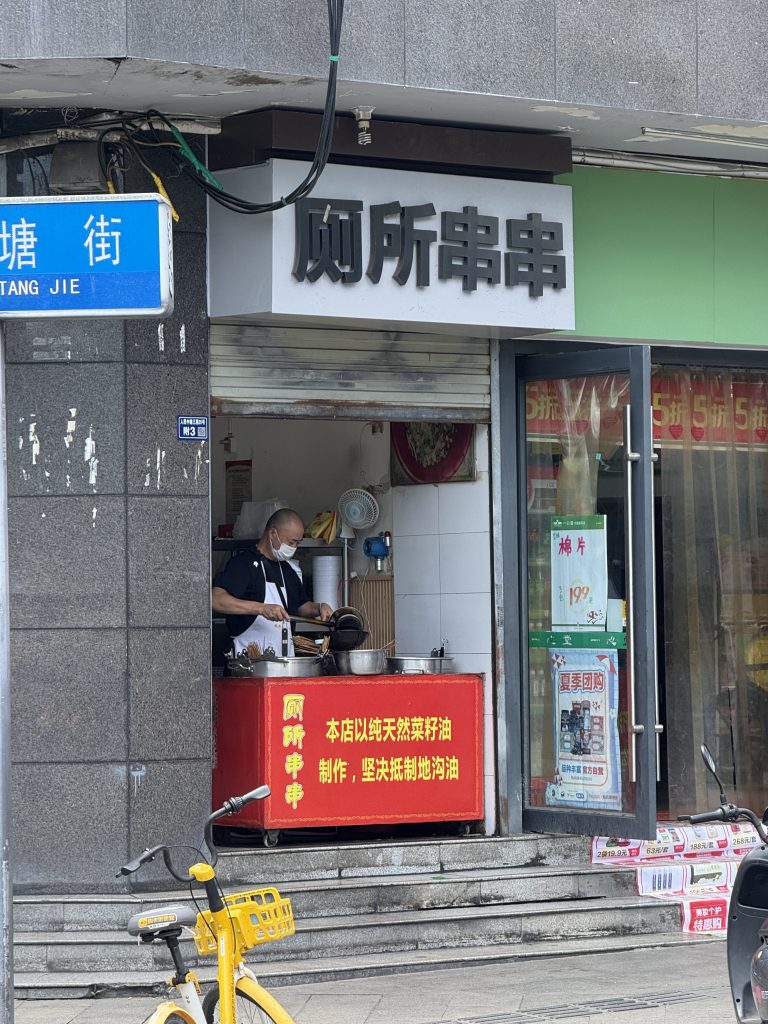
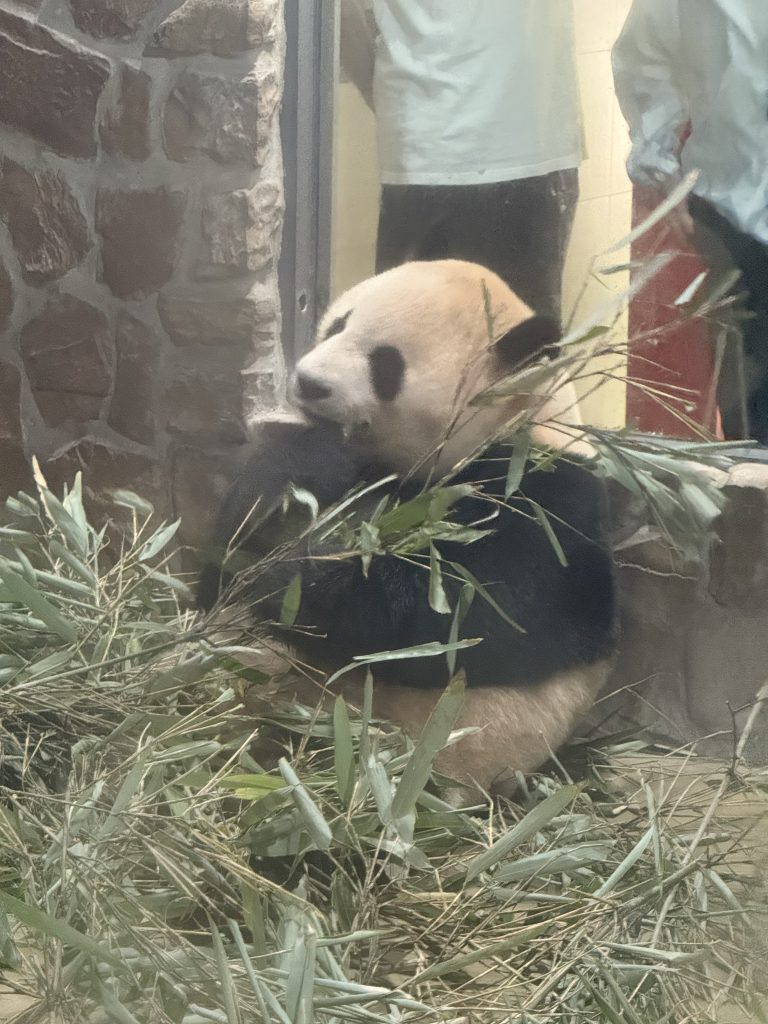
As I entered the sanctuary, I learned that due to the high temperatures, all the pandas had been taken inside their homes. The heat, my heavy backpack and my lack of sleep did not prevent me from accomplishing my objective. However, it was a bit sad to see the pandas caged up — I was expecting to see them roaming in the wild, but this turned out to be more of a zoo than I had expected.
Still, I found it entertaining and relaxing to walk through the paths surrounded by bamboo and I even got to see a small red panda before taking another taxi to the city center.
Chengdu is the capital city of Sichuan. It has around 20 million residents — more than any city in Europe. In the heart of the city, the Tianfu square, there is an impressive statue of Mao Zedong. This city is a perfect blend between the rural China of the interior with the modernity of the big Chinese cities that arrives at an incredibly fast pace.
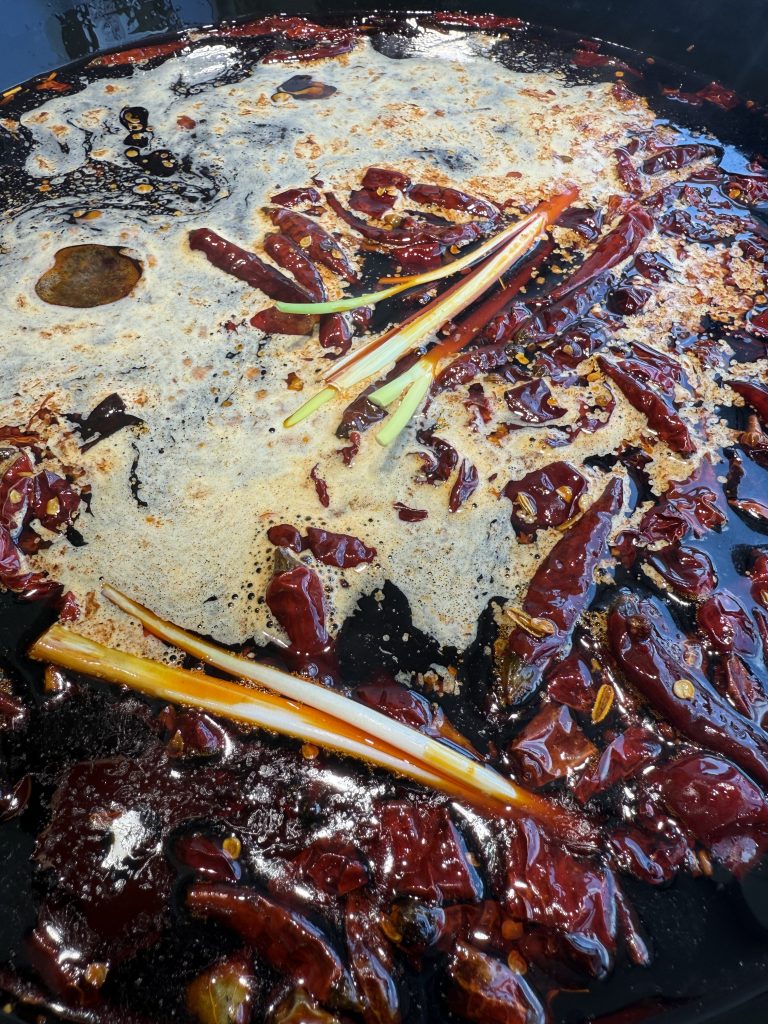
Sichuan is known for its spectacular cuisine, especially its peppers — famous worldwide for being extra spicy. As I am one of those people that enjoys eating literal fire I went to try the speciality of the region — the hotpot. Needless to say, I made a mess while trying to figure out how to use the concept, but it was definitely worth it. The views of the skyline from there were breathtaking.
Despite the heat, it seemed people there like going out to enjoy the numerous public spaces of Chengdu. Everything there was brand-new, probably because the city is also quite new. I wonder why most of us never heard of cities like this back in Europe. Maybe time will give the Chinese cities the recognition they deserve.
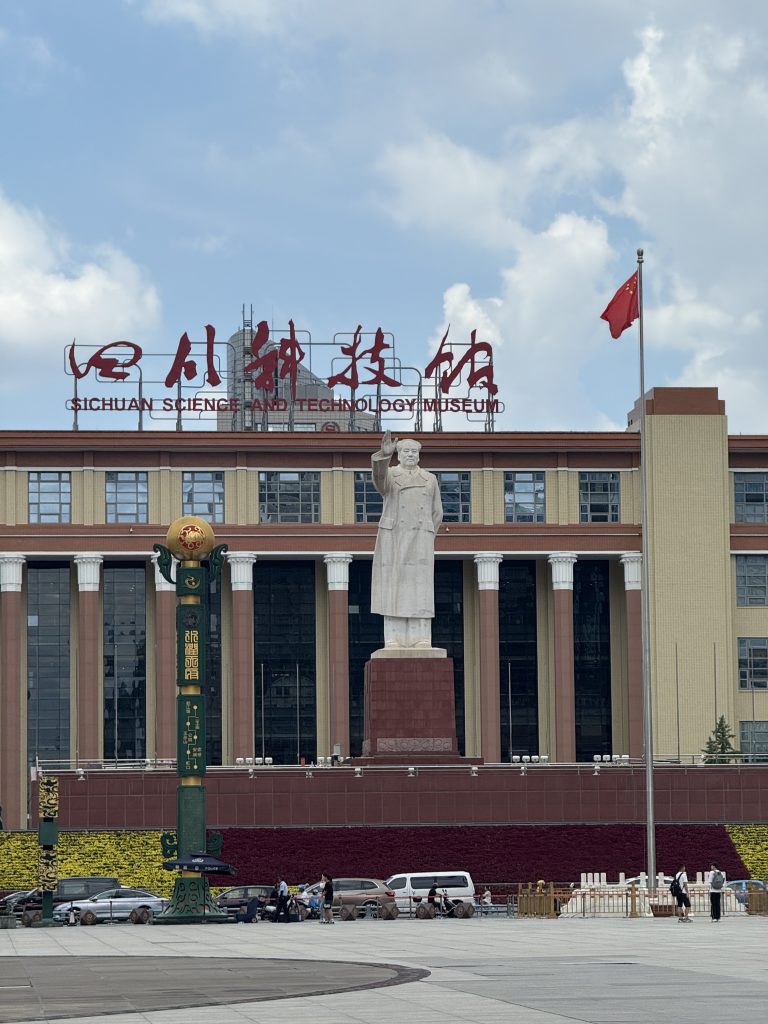
To finish my quick layover, I headed to the People’s Park, where it is possible to see ads from women looking for candidates to marry them, like a paper-based Tinder. The rest of the city center was crowded with Chinese tourists enjoying the numerous attractions this city has to offer. Chengdu was a great, unexpected surprise on my trip. I wish I had had two more days to make the most out of it. But it was finally time to return to Southeast Asia.
Good old ‘Nam
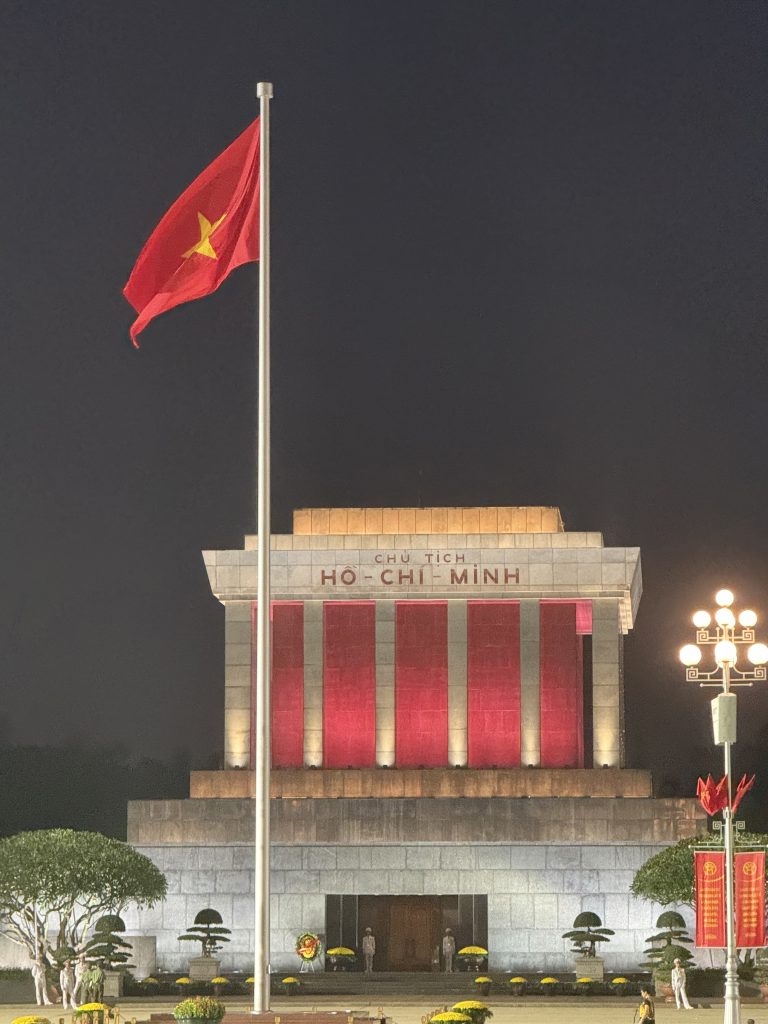
Vietnam was just as confusing as always. At the airport there was a massive screen portraying the Communist emblem followed by an ad from Grab, a multinational company that represents capitalism in the purest of its forms. This country is exactly that. A blend between communist values and military tradition with a wild form of capitalism, which here started in the 90s and defines the modern Vietnam.
It was my third time in Hanoi, and as I was planning this part of the trip I realized that I hadn’t done any of the touristy one-day trips so far, so I decided to go with the herd and join a tour of the Ninh Bin area.
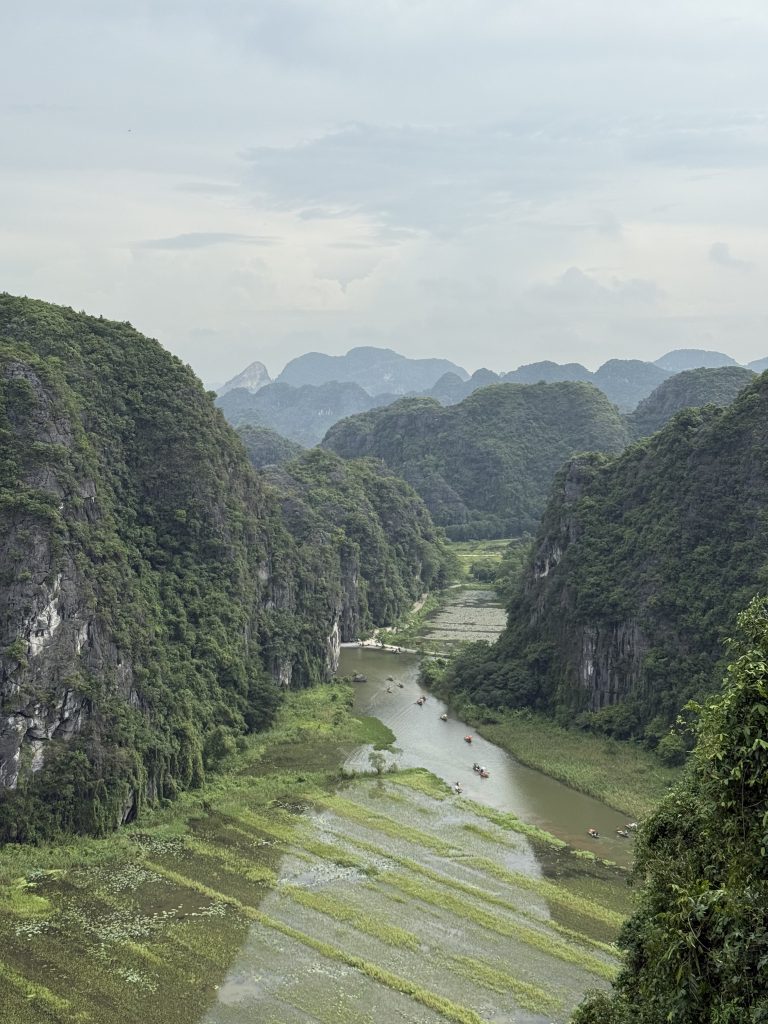
I was ready to be disappointed. That is, perhaps, why I enjoyed that day so much. The true landscape of Ninh Binh completely beats the pictures they show on the website of the tour. It is one of the few places where I have been utterly overwhelmed by the scenery, even after seeing pictures of it online.
We started with a bike ride to one of the temples of the ancient capital of Vietnam and then we had an early lunch at a restaurant for tourists. Yes, this place was filled with hordes of visitors, but once you accept that you cannot do anything about it and acknowledge that you are part of the problem, you start enjoying these things more.
Then we hopped on a boat on a river that goes through some pretty impressive rock formations and we ended our day with a small hike to one of these rocks to get a nice view of the region. I was absolutely devastated by my lack of sleep — I could barely open my eyes on the bus.
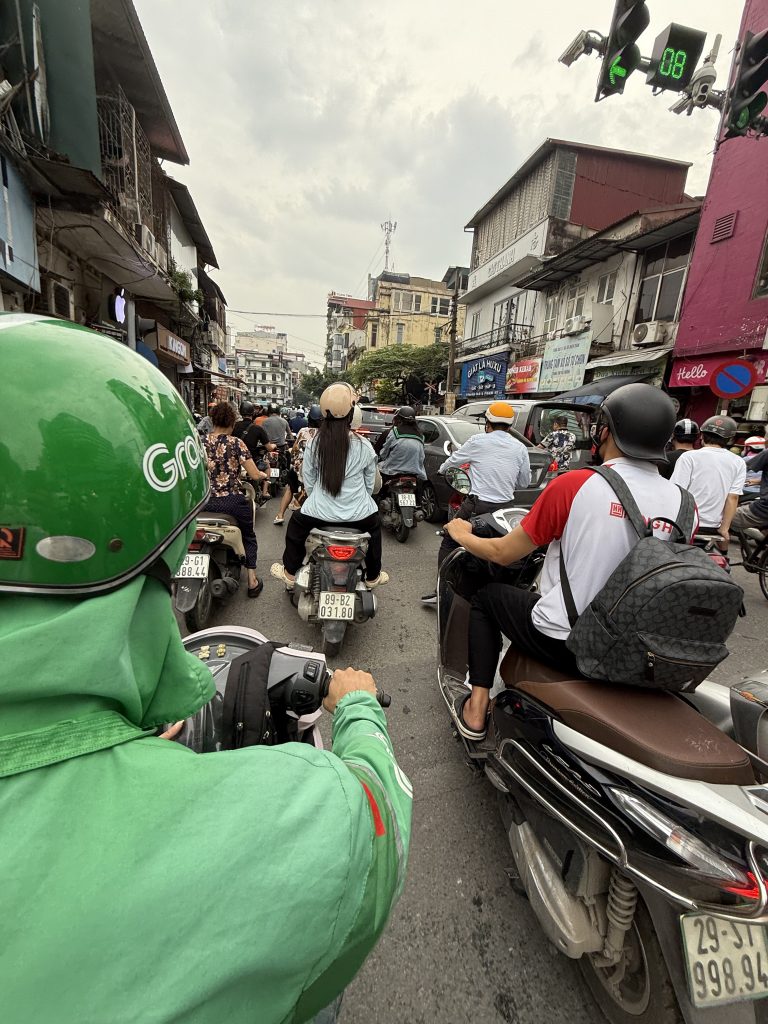
That is why the next day I took my time to recalibrate my sleeping schedule. The center of Hanoi had not changed at all since I had been here for the last time in 2022. The motorbikes still flooded the roads carelessly and crossing the street was an act of faith.
On a positive note, things here were still as cheap as last time — I spent my day eating my favorites from the Vietnamese cuisine and I took my time to walk around this chaotic city.
Hanoi is a blend of the rigid and monolithic communist legacy and the essence of any other Southeast Asian city, with its neons, noisy streets and something entertaining happening in every corner. Hanoi is in itself a contradiction — a tense interaction between military authority and strangers selling weed all over the city, communism and Gucci stores, pristine skyscrapers and favela-like neighborhoods.
I finished my day eating Pho — but to my disappointment, not the one that is some sort of noodle soup, but a weird mix of ingredients that is still tasty as everything else in this country. With my belly full and after saying goodbye to my friend with whom I spent the last two days, I returned to the airport for my next destination.
Tsunami or heatstroke? Trying to survive the Japanese Summer
Last time I visited Japan I went to Okinawa. I was never really interested in this country — I thought that all the hype for Japan was completely unfunded and that the people that died to come here were just freaks that buy the hype of an overrated country. To my pleasant surprise, my trip to Okinawa was my favorite of all of 2024, so I decided to come back, this time to central Honshu.
Summer in Japan is like touring the inside of an active volcano. Temperatures normally reach 35ºC on average and the humidity makes the real feel reach 40ºC more often than not. The five days I spent in Japan were no exception. I landed in Nagoya and headed straight to the city center to leave my bag at a hotel so I could start visiting the city “weight-free”. I soon started suffering the effects of the scorching heat.
My objective was to walk everywhere and depend as little as possible on the metro. I first visited the Nagoya Castle, whose main building was closed to the public but at least I could get a few nice pictures. After leaving the castle, a combination of tiredness and the effects of the 35ºC weather started waging a toll on me.
I needed to sit down every 20 minutes, and every chance I had I entered a 7-Eleven or a Lawsons to buy something to drink. I underestimated the distances in Nagoya and my body was screaming to stop — therefore I took it easy and decided to cut my tour short to visit the most essential sights of Nagoya.
The city is the fourth biggest in Japan. Apart from the Castle, it didn’t have much. It was a Saturday morning and everything was quiet. The Science Museum was full of kids learning about…”science”. Something interesting about Japan is that not even the main museums of the big cities have panels in English. I walked around the museum observing the cool expositions without being able to read what they were trying to explain, I guess just like the rest of the kids in the museum.
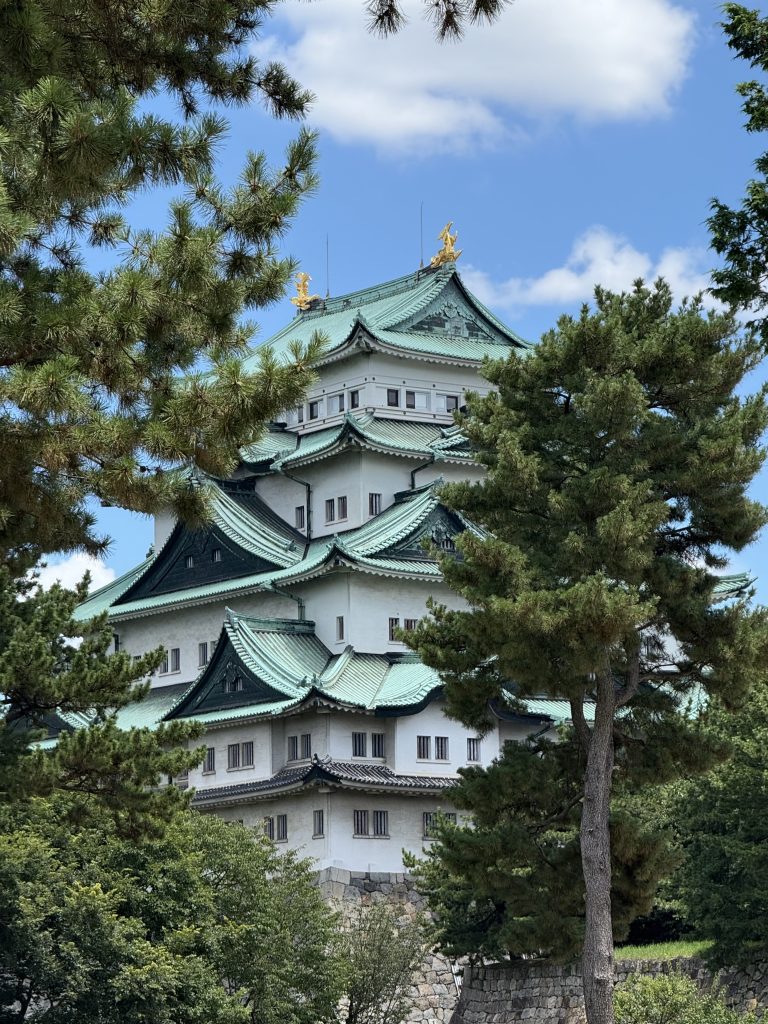
Even the main streets of the city center were not as packed as I imagined. I let myself get dragged by the lights of the shops and the different events going on out in public, even not knowing what they were about. Nagoya is just that — a nice and peaceful city to walk around and…of course eat. Perhaps 60% of the reasons why I came back to Japan were to try its ramen once again. And needless to say, that dish was my first proper dinner in the country.
Kyoto seemed to have all the tourists that Nagoya didn’t have. Although the atmosphere in Kyoto is meant to be more relaxed, more “zen”, the tourists (including myself) disrupted the perfect harmony between nature and the ancient architecture. I got the first “shock” in Kyoto’s train station, where I started seeing non-Japanese tourists for the first time.
In a sense, Kyoto seemed more humble and reserved than Nagoya. It was the capital of Japan for many centuries and it seemed it wanted to keep that exclusiveness and, in a sense, ancient form. This was noticeable when I took a look at the skyline of Kyoto — with the exception of the big tower, there were barely any skyscrapers. It didn’t look like a big city at all, although it was. This also applied to public transportation. There, buses were more convenient to move around than the metro, as there weren’t many lines.
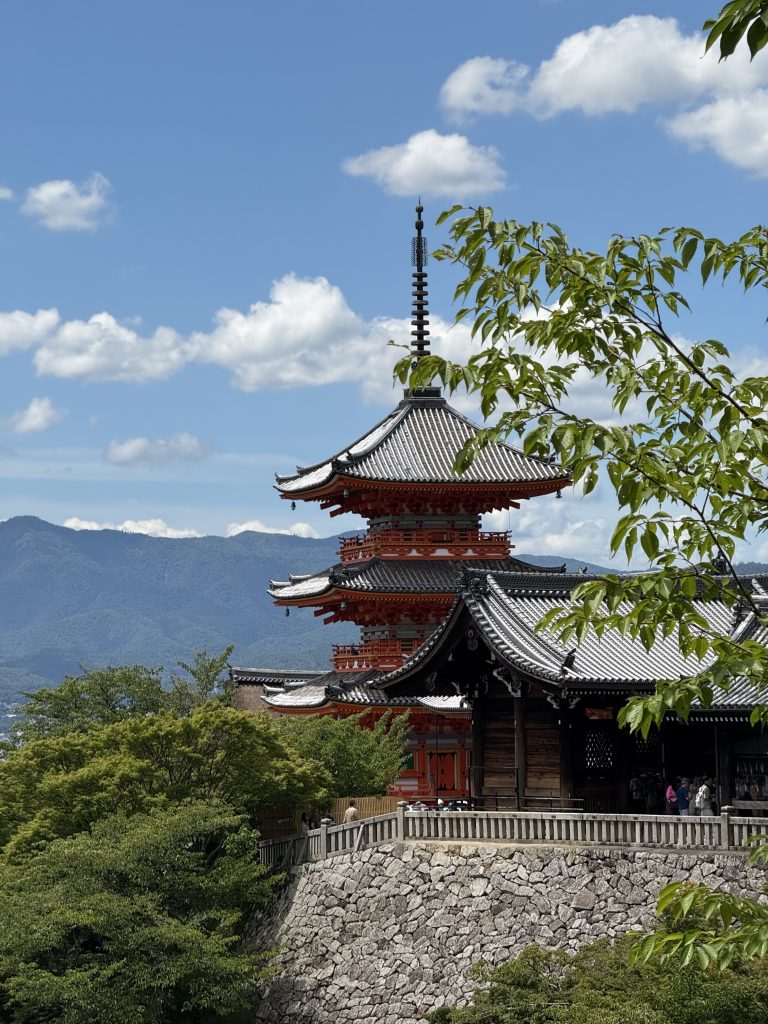
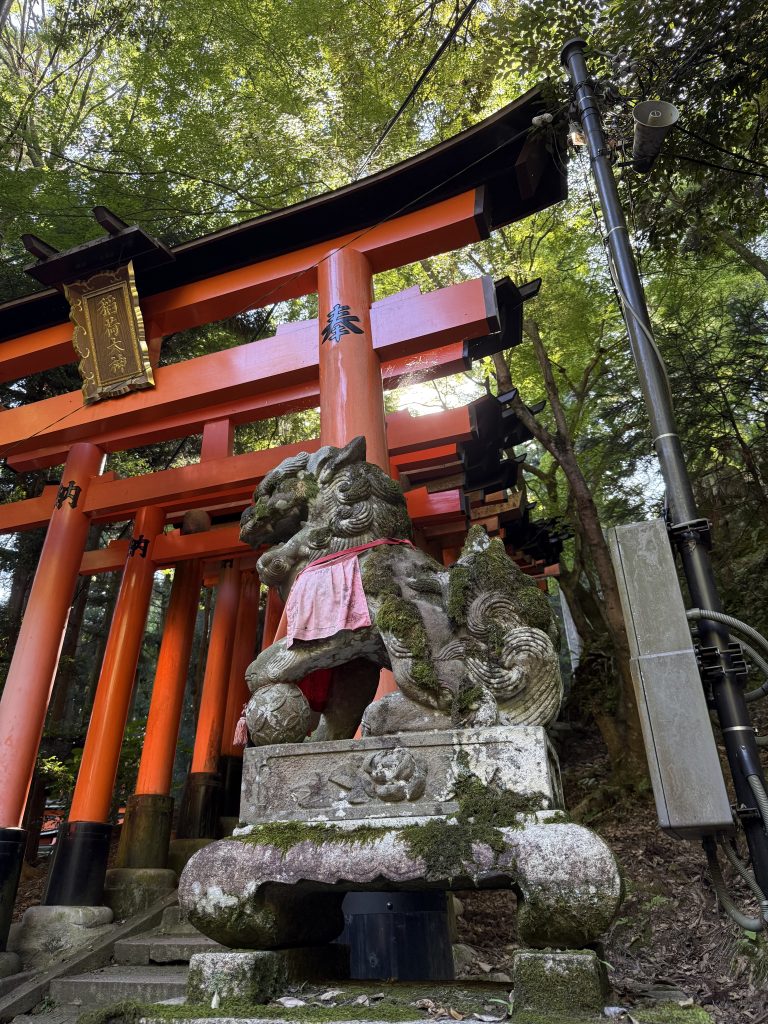
Kyoto was all about temples. Temples around the Eastern mountains, temples towards the Western mountains, temples inside the city…Don’t get me wrong, they were all incredibly beautiful, but by the 20th temple I started to feel like I had seen too many and that they all have the same format. Sometimes the display changed a bit, perhaps the colors. But in essence, they all followed the same concept, just like European cathedrals, I guess..
I walked nonstop under the scorching 38ºC heat from one temple to the other, wondering whether it was worth it to go to the next one. The crowds did not seem to hesitate — there were just people everywhere. I tried to imagine how the place would look without people, but the Spanish tourists shouting disrupted my daydreaming.
The next day I woke up early to visit what, without doubt, was my personal favorite so far in Japan — Mount Inari. You will probably have seen this before — a corridor full of cute orange gates that almost everyone posts when they go to Japan. Still, Mount Inari is more than just that. The orange gates lead you to the very top of the Mount, where there’s one of the most sacred temples of Kyoto and where you can have amazing views of the city.
Still, it is possible to leave the main path to explore other parts of the Mount — and that’s exactly what I did. Without a clear route in mind, I let myself wander around the dense foliage of the forest and the precious shrines that can be found everywhere until I found myself completely alone, several kilometers from anyone else. In one of Japan’s most famous spots, having this moment of solitude felt unique.
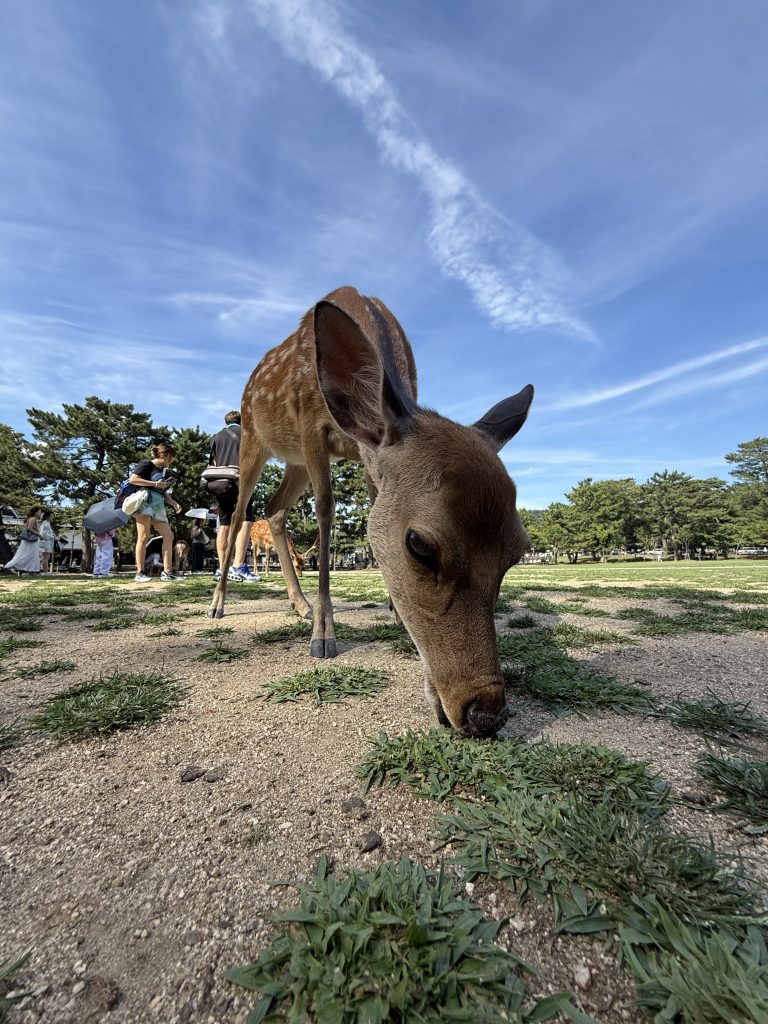
After a quick stop in Kyoto to take my bag, I headed to Nara. The park of this city is known for its distinguished residents — the deer. I was expecting it to be hard to find them. I knew they were brave and dared to contact humans, but I was definitely not ready to find a couple of deer chilling just one minute away from Nara station. A few steps further, the deer started appearing everywhere.
They quite literally rule the park — they do not only let humans touch them but they even chase tourists that they know have food for them. The deer integrate themselves perfectly with the big crowds around the main temple and, for a moment, they allowed me to stop thinking about the scorching heat or the big influx of tourists everywhere in Japan.
No matter where I looked, Nara seemed like a fairytale. The temples there, in my opinion, are more beautiful than those in Kyoto. I don’t know if the presence of cute deer influenced my decision, but Nara was a very pleasant surprise.
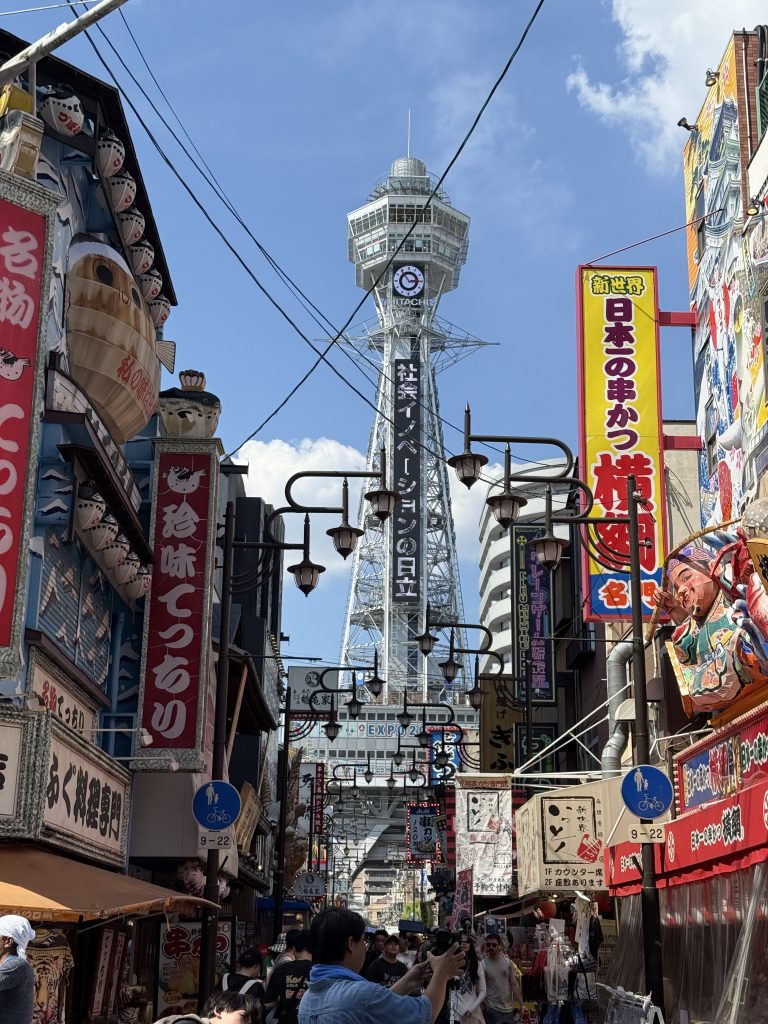
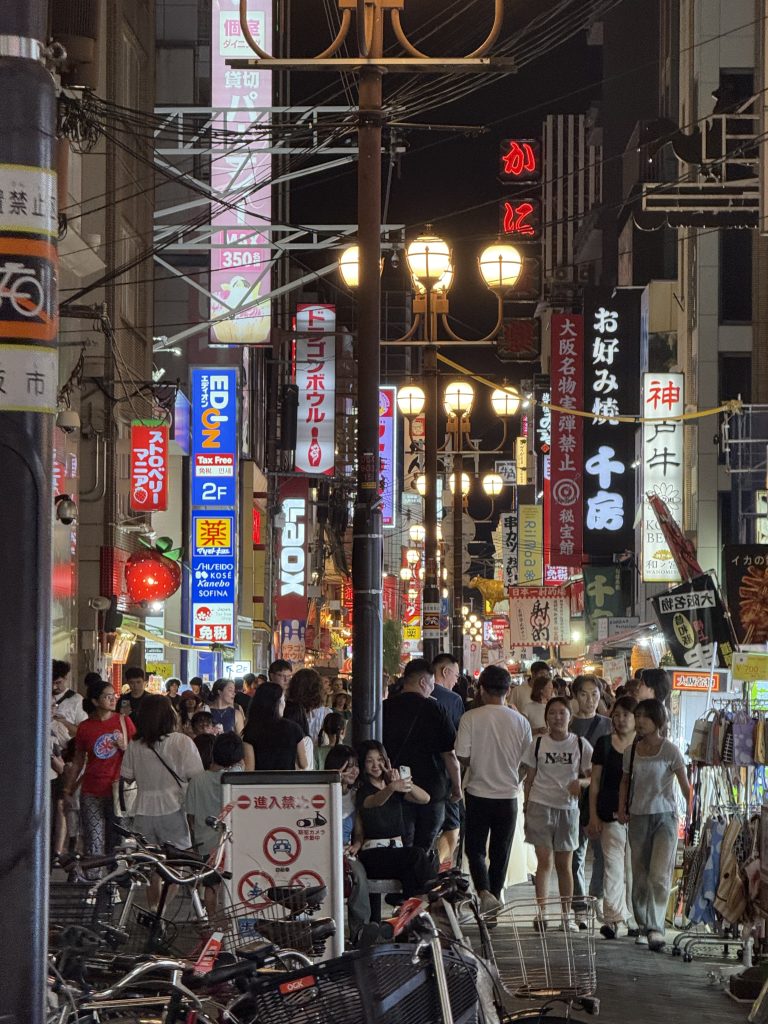
I find it fabulous, but unsurprising, how the entirety of Japan is linked by metro lines that overlap each other. Just like that, and in about an hour by metro across the mountains, I made it to Osaka. Osaka felt like the “punk”, shiny city compared to the rest of Japan’s big metropolis.
As soon as I arrived I understood why — it was hard to walk more than five blocks without bumping into one of those Japanese street markets filled with restaurants, game rooms and all possible sorts of entertainment options. I looked to the sky and all I saw was futuristic skyscrapers around me. Osaka is the definition of Japan’s modernity — a modernity that these days is running old.
I remember back in the 2000s when Japan was shown as an example of technology, innovation and “future”. Now, that title is often given to China or South Korea. The economic stagnation of the country has left it dreaming about the moment when everyone looked up to Japan as the leader in practically everything.
As of today, prices have not risen in years, and neither have the salaries. In the past, visiting Japan was only for the wealthy. Now, it is way more affordable than other destinations compared to the 2000s. This does not mean that Osaka, and the entirety of Japan, is old-fashioned or not worth visiting. A short walk around Nippombashi still makes you feel like you are in some sort of alternative future that has as an objective to overstimulate its visitors.
The last box I had to check in Japan was the Expo 2025. It seems like Japan likes hosting these fairs. Osaka had already hosted it 50 years ago, and now it was back at it again. A lot of people warned me that this edition was quite underwhelming. The reviews online described it as nothing short of hell on Earth itself. With my expectations lowered, I decided to give it a chance.
The EXPO was all about queuing for hours under the blazing sun. The organizers even rented umbrellas for free to protect the visitors from the sun. It did not work. According to the news, that day was the hottest day in the history of Japan, and my shirt soon started getting soaked with sweat.
After the security check, I made it to the “ring” of the EXPO, built on an artificial island. A lot of pavilions did not have a queue to enter — however, that usually meant that there wasn’t much to see inside. For the pavilions of the bigger countries the usual waiting time was 30min, provided that you didn’t need a reservation to enter.
I had some fun visiting the Korean, Indonesian, Omani pavilions and others. Most of them were, overall, underwhelming, but I was already expecting that. To my surprise, my favorite pavilion was the Spanish one, which told a very interesting story of the links between Spain and Japan as well as other stories linked to the sea.
It was precisely the sea that marked my last day in Japan. In the middle of the EXPO I opened Twitter and I found out that a Tsunami was coming towards the West coast of Japan.
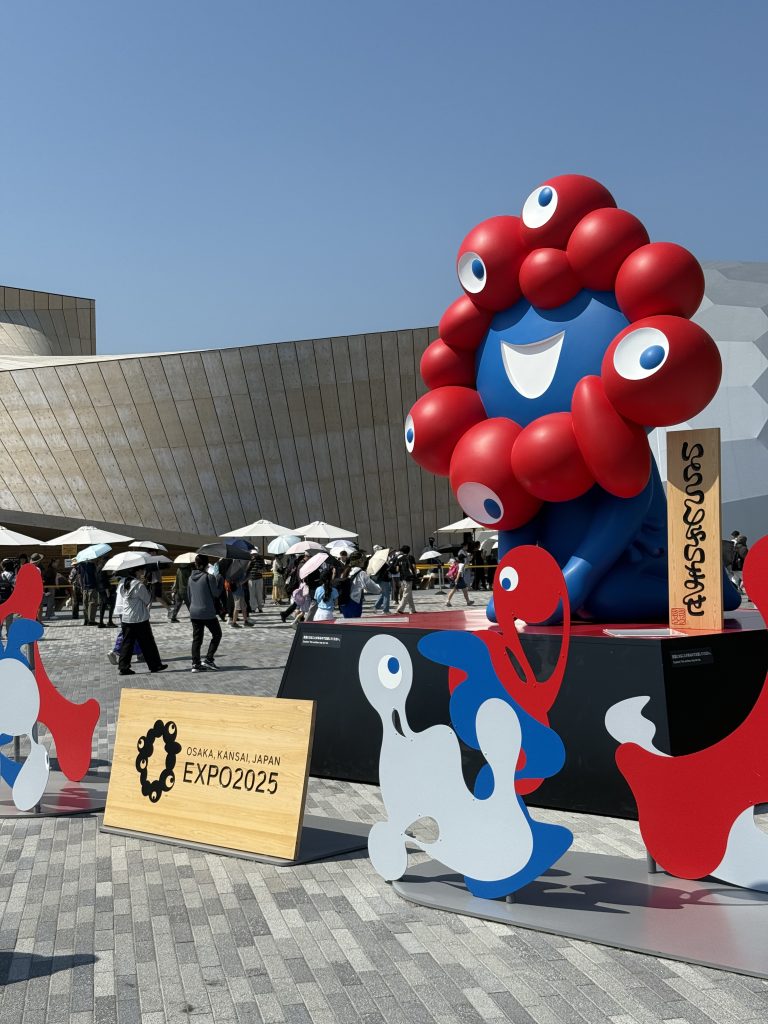
The news hit me especially due to the fact that I was on a very plain island with limited evacuation possibilities. Still, nobody seemed to panic — the loudspeakers announced that it was unlikely that the tsunami would affect the Osaka bay and everyone continued with their usual business.
A radical change of seasons in the Southern Hemisphere
Between tsunami and extreme heat alerts, I made it to the Kansai airport to head to my next destination. It was time to change continents, even hemispheres — and therefore seasons. It was my third time in Australia. Those who know me are aware that Perth is my favorite city anywhere in the world, but this time it was time to give it a try to the East Coast.
I landed in Brisbane, the third biggest city of Australia and host of the Olympic Games in just six years. After queuing for two hours just to get out of the airport, I went directly to explore the city. Brisbane felt awkward. It is meant to be a big, renowned city. But despite its tall buildings, it somehow flet small. Or at least, smaller than Perth.
The city center is packed with people from all sorts of origins, which defines the true cosmopolitan nature of Australia. The urban sprawl is centered around the Brisbane river. It is this river that gives life (and the name) to the city. Almost everything there is to see is located around the river banks — from the historic buildings to the museums and the beautiful mangroves.
Brisbane is quite close to the tropic, but it is still possible to have a taste of the real Winter. Coming from the 40ºC heat of Japan, this felt like a blessing, although my belly did not appreciate the sudden change of temperature. What it did not feel like a blessing was the 5PM sunset. But that did not end up bothering me, at least not that day, as I hadn’t slept last night, and I ended up walking 35,000 steps that day. Perfect excuse to go to bed earlier.
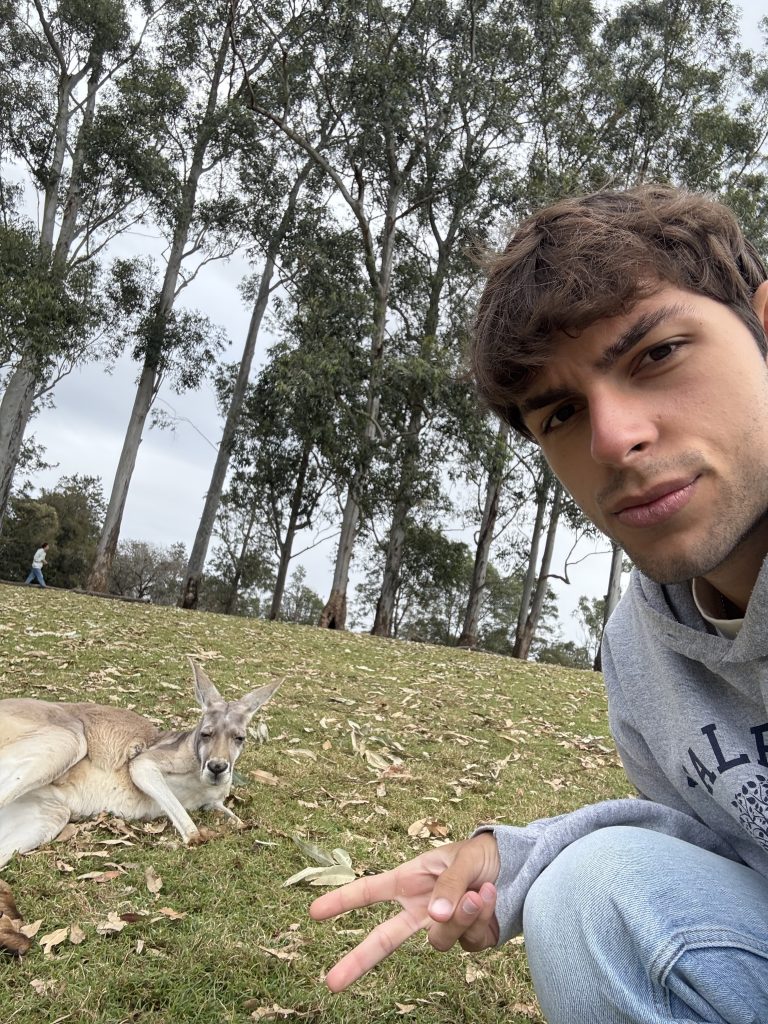
I couldn’t leave Australia without seeing some of its unique and, more often than not, dangerous fauna. I took a bus to the outskirts of the city to visit the Lone Pine Koala Sanctuary, just to find out that just like it happened in China, it looked more like a zoo than what I was expecting. I guess it is my fault for not doing my research.
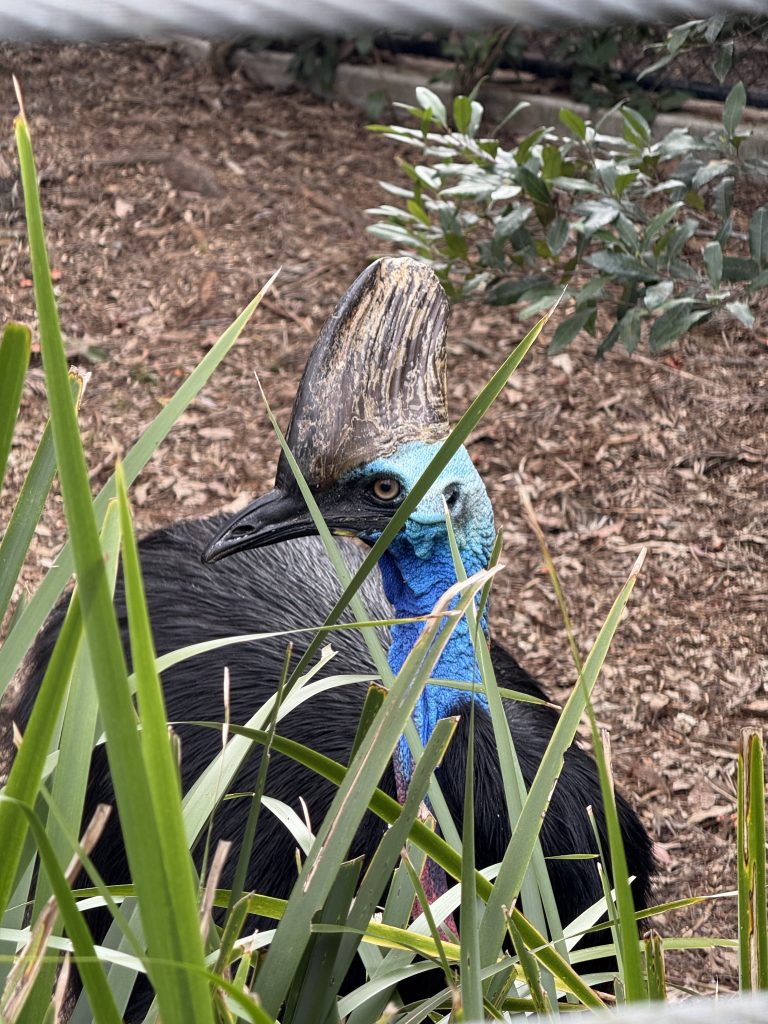
Australia could be its own world — with its own animals, plants and other unique characteristics. In a matter of one hour I was able to see koalas, kangaroos, crocodiles, dingos, wombats, Tasmanian devils, a platypus and loads of birds. I even managed to see a casuary — a bird that apparently can kill a human in a blink of an eye and is now endangered.
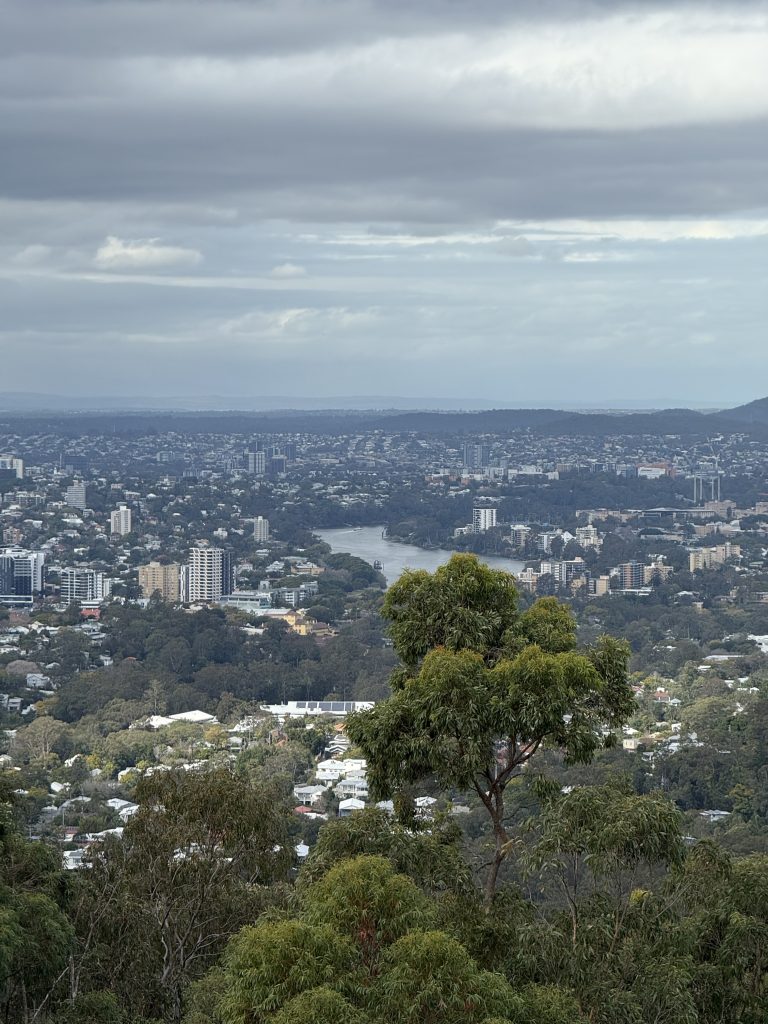
Thirsty for more nature, I decided to climb the summit of Mount Coot-Tha. After almost falling down the steep path towards the viewpoint, I was rewarded with a perfect view of the city. As it started pouring, I descended into the Botanical Gardens where the rain mixed with the different types of plants gave me a festival of smells
I left Brisbane not really knowing what to think about it. The city, in my opinion, is full of contradictions or inconsistencies that left me trying to figure out what this place is about. It is big, but feels small. It is meant to be hot, sunny and humid but it was cold and cloudy. It is meant to be quite new but some of its buildings make it look like it is older. Sadly, I didn’t have enough time to put my thoughts together, as I boarded for my next destination.
Two days in the Antipodes
As I landed in Auckland airport at 4AM, I realized something special. Something that may sound meaningless for some, but for a geography freak like me is crucial. Auckland Airport was the furthest I had ever been from home. New Zealand is located in the antipodes of Spain. Anywhere I moved from there, I would be closer to home. This was (almost) as far as I could get.
The internal processing of this information was suddenly cut by the freezing 6ºC temperature outside the airport. Brisbane was already chilly, but this was a whole other level. I started not feeling my hands, and I counted the minutes until the train came to take me to the city. I was not prepared for this. I was not prepared for the 40ºC heat of Japan either. I am just a sensible person.
My first steps in Auckland felt magical. The sun was rising and I had the Auckland Domain for myself. Soon my fixation with the low temperature was replaced by pure fascination of the blushing nature of the place. It just felt like I was walking around one of the forests of the Lord of the Rings, only that I was in the middle of New Zealand’s biggest city.
Auckland is definitely special. It is located in an isthmus, and surrounded by dead volcanoes that have been colonized by the grass of the region, creating smooth but steep hills as far as my sight can see. Mount Eden ended up confirming my initial thoughts — Auckland might be one of the prettiest cities I have ever visited.
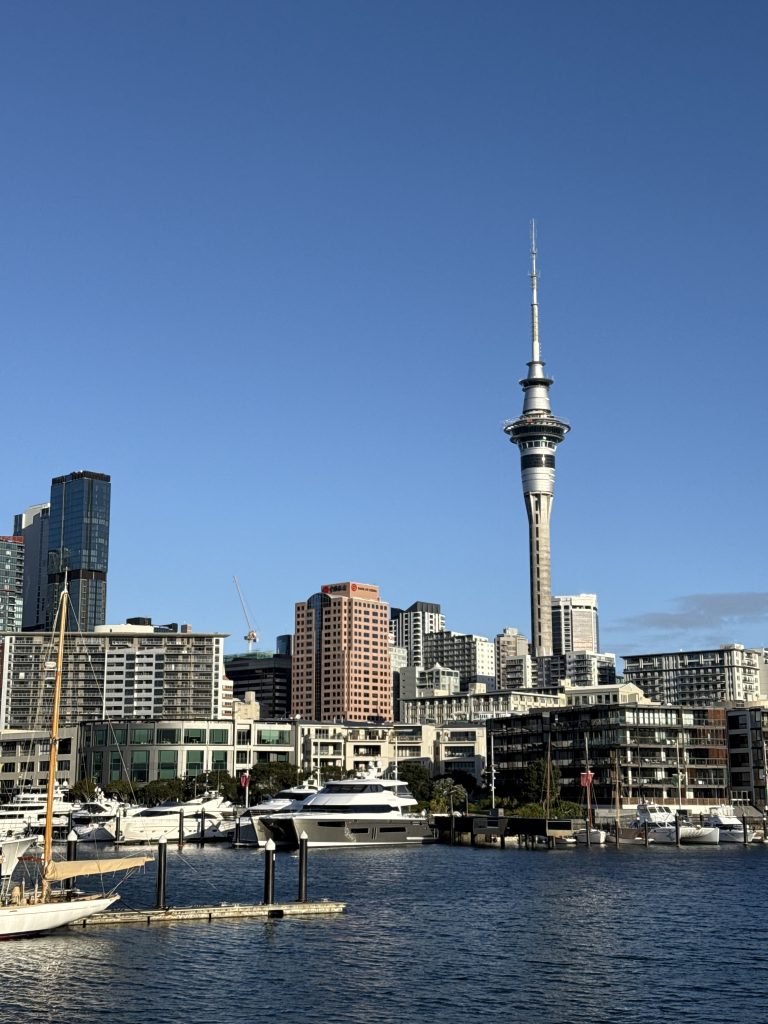
The shape and architecture of the city was very similar to the Australian cities I have visited, though it had a stronger British touch. The hills were so dramatic that left me wondering whether it is legal to build roads this steep back home. At dawn, the port became the busiest part of the city — it was a collage of people arriving by ferry and train from surrounding islands, tourists that wanted to see the boats, hungry bellies looking for some of the delicious Asian street food of Auckland and protestors that were conveniently using this spot to make their voices heard.
The sun didn’t reach the top of the sky, but remained towards one side, which reminded me of Winter back home. The mix of seasons, cultures and timezones crushed into my brain and disoriented me more and more with each passing destination.
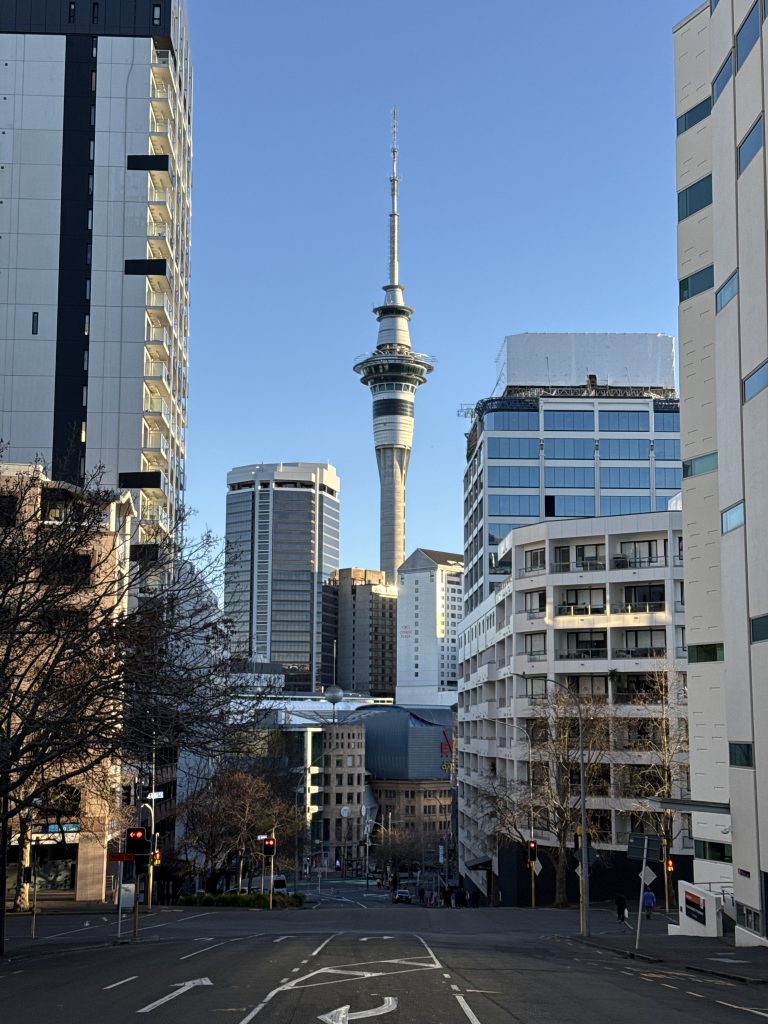
People-wise, Auckland is as varied as it can get. In less than two minutes I was able to overhear conversations in Korean, Chinese, Portuguese and Russian. Only a very small portion of Aucklanders were born here. On the negative side, the city has a serious problem with homelessness and what appears to be drug abuse. Some parts of the CBD felt unsafe and I was compelled to switch sidewalks quite often.
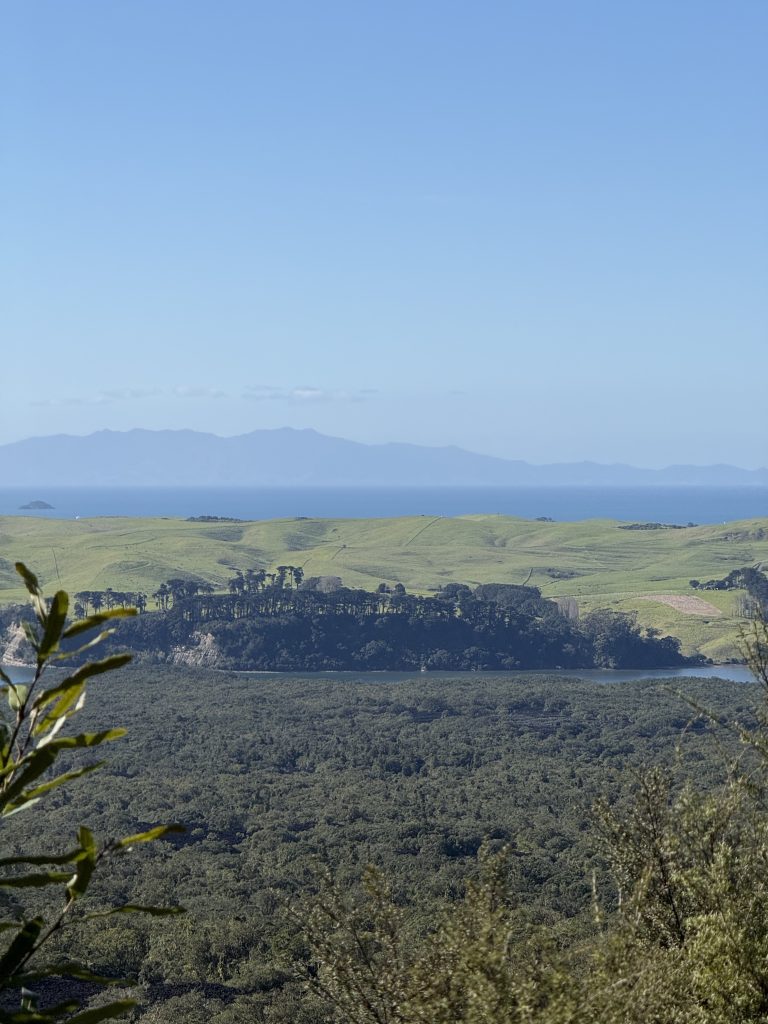
Still, the nature that surrounds this city completely shifted my focus from anything bad it could have. On my second day there, I chose to visit Rangitoto, an island off the coast of Auckland. Compared to the rest of the islands, this one was formed just 600 years ago. Therefore, it is very dark and volcanic, but it is still covered in a dense forest which gave it a strong “Lord of the Rings” ambience.
As I arrived at the island, I started by the not so popular roads to get away from the crowds. I spent my day listening to my “hiking” playlist and discovering the wonders of Rangitoto. I said it before and I will say it again — this place felt like the recreation of a fairytale. From the summit of the island I was able to spot Auckland as well as Devonport, a small neighborhood across the bay.
Curious about Devonport, I decided to check it out before sunset. It was probably one of the best spots in the city. It has plenty of old buildings and two small and grassy volcanic cones from which one can get nice views of the rest of Auckland. New Zealand was a very pleasant part of my journey, and I cannot wait to visit its South Island in the future.
Traveling in time…to paradise
It was time to head to the highlight of my trip. But to do so, I had to travel in time. Travel in time? Yes, you read that right. It is not a metaphor, it is not a way of saying that I am going to an old place. I technically traveled in time.
My flight from Auckland to my next destination departed at 3PM on Monday August 4th, and it arrived…the day before. Precisely, at 9PM on Sunday the 3rd. This means that I lived Sunday 3rd, and therefore Monday 4th, for the second time. This happened because I was crossing the international date line. On that 3h flight, I departed from a +12GMT timezone and I arrived in a -11GMT zone. I went from (technically) being one of the first to see the sun rise to being one of the last ones in the entire world.
With this information blowing my mind, I boarded my flight to Rarotonga, Cook Islands. I had not been this excited to take a plane in years. The three hour flight passed by in a blink of an eye and I soon landed on this intriguing island of the Polynesia…”yesterday”.
As I descended to the runway, I made my first impression of Rarotonga in my head. It was cold. Not as in “nice tropical breeze”, but as in actually cold. A strong wind blew which forced me to hurry up to the arrivals gate. The island is located within the Tropic of Capricorn, a few hundreds of kilometers north of the line. Still, it was winter in the South Pole, and Rarotonga was no exception, apparently.
A local playing what seemed to me like an ukulele welcomed the passengers as they made their way to the long queue to get their passport checked. Upon arrival, passengers had to fill in a customs form to enter the Cook Islands. Although the archipelago belongs to New Zealand, they enjoy quite a strong degree of autonomy that allows them to set their own rules regarding their foreign and immigration policy.
To my disappointment, not only were there no pens to be able to fill the form, but after asking a worker where I could get one, she told me that I had to buy one at the duty free. That had to be the earliest scam I have ever fallen into when visiting a country.
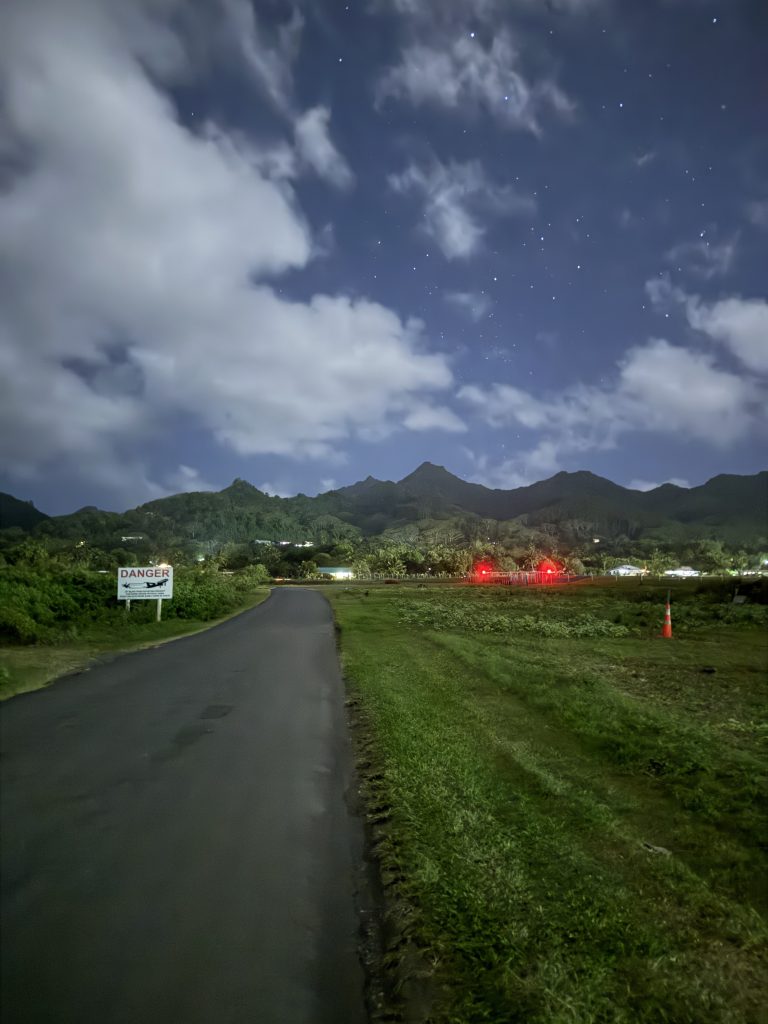
After buying an expensive e-SIM, I made my way to my hotel. The property was not too far from the airport, so I decided to walk there instead of taking any sort of transportation. It was dark, cold and quiet. The peacefulness of the island on this Sunday was only broken by sporadic cars and a fair amount of stray dogs barking at everything that moved.
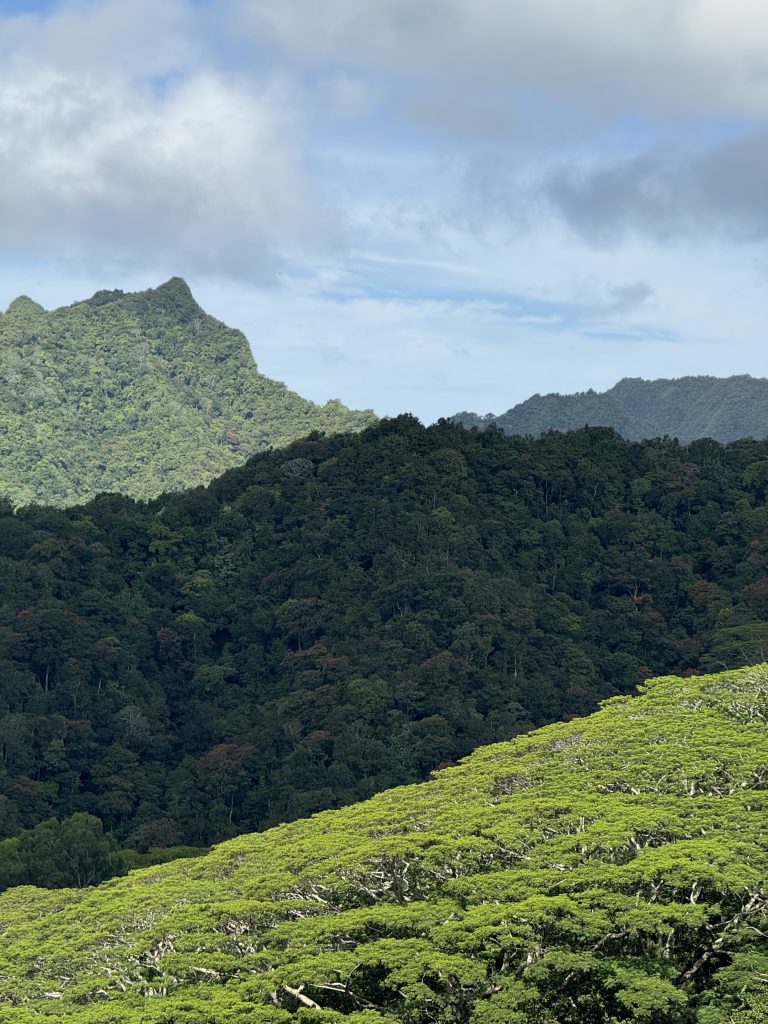
Between the shadows and thanks to the light of the moon and the stars, I was able to distinguish the rugged and mountainous center of the island, imposing its beauty over the circular road that goes around it. Even though it was still very dark, I knew that I had arrived at one of the most beautiful places on Earth.
The next morning I took a rusty bike that was free to use right next to my apartment. Although I literally booked the cheapest option to stay in Rarotonga, it was an excellent choice. I biked East towards the capital of the Cook Islands, Avarua. I was hoping to buy some food to fill my fridge, but I soon found out that it was Constitution Day, hence a holiday.
Avarua felt very small, which is logical given the small population of the country at around 13,000. The ministries of the government of the Cook Islands are scattered around the town in small but relatively decent buildings. The only museum opened that day exhibited part of the history of the archipelago. Interestingly enough, they displayed big disclaimers explaining that most of the information in the museum had been researched “through Google” and that the people who built the museum were not historians but Polynesian enthusiasts that wanted to contribute to the community.
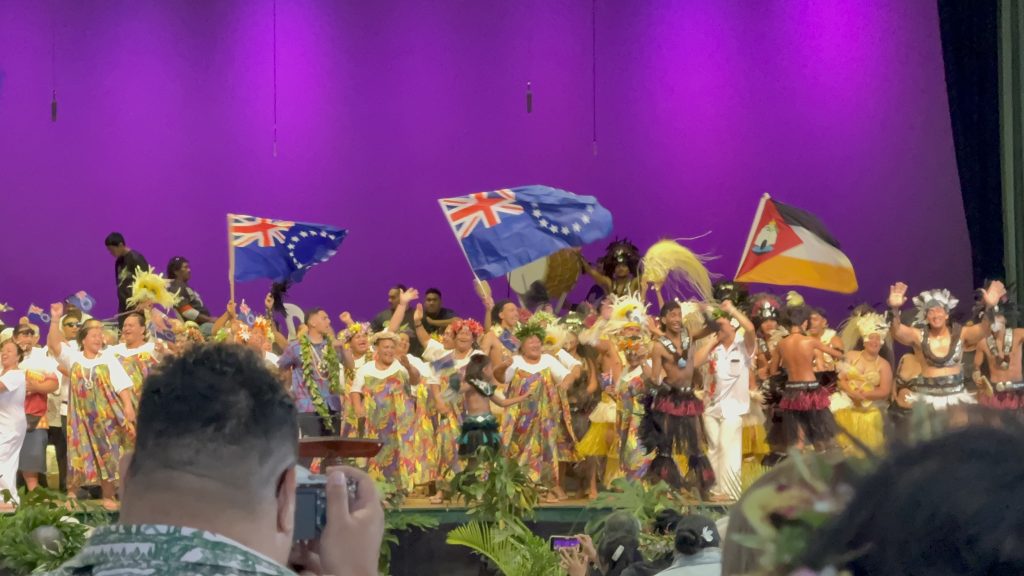
At the center of the town, the main Auditorium of the country was hosting an event commemorating the 60th anniversary of the Constitution. I peaked in and I found an energetic group of people chanting songs in Maori while being applauded by a vibrant crowd. The Auditorium was completely full and people fought to be able to see the event from a distance.
I found a couple of shops open with very simple but efficient dishes I could cook. There is no wonder why people in the Pacific Islands have some of the highest rates of obesity — most of the food there is canned or very “calorie-heavy” due to the inability to import fresh products at a low cost. Still, the groceries cost me a fortune and I started wondering how I was going to afford to eat what I needed without going bankrupt.
As a first impression, people here did not seem the nicest. Perhaps the first day I was just having a bad day, or it could also be due to the fact that I hadn’t spoken to anyone in a long time, which was making me overthink everything. Some people there seemed to want to cut the conversation early, as if they were not interested in speaking to you or as if you were wasting their time. On the street, some kids yelled at me and tried to make fun of me while I was riding my bike.
Like in other small islands, isolation creates micro-societies with complex social rules that us, foreigners, do not always understand. The worst islanders were the dogs. Most of them barked aggressively towards anything that moved on the road. One of them almost left me a “souvenir” on my leg as he jumped straight to it with the objective of chewing it off. My good reflexes saved me.
On my second morning on the island I discovered why people say Pacific Islanders live at a different pace. As a European who is used to (and expects) everything to work as it should and times to be respected no matter what, I cannot deny that I was annoyed to find the National Museum, which was meant to open that day, closed.
Biking the streets of Avarua I find a big difference compared to the previous day. The center of the town was crowded — long queues of cars tried to get in the different commercial areas and the sidewalks were crowded with tourists and locals alike. The Cook Islands Trading Corporation seems to have a monopoly over most of the retail businesses in the island — from the only “mall” (if you can call it like that) in Rarotonga to the biggest supermarkets.
The groceries were incredibly expensive. Most of the cheaper food was quite unhealthy, like frozen nuggets, burgers and similar goods. In the main supermarket there was a small section of fresh items, with extremely high prices for veggies and fruits, as most of them must be shipped from New Zealand and keeping it fresh is quite costly. They were even selling expired fresh food for a reduced price, which tells a lot about the situation on the island.
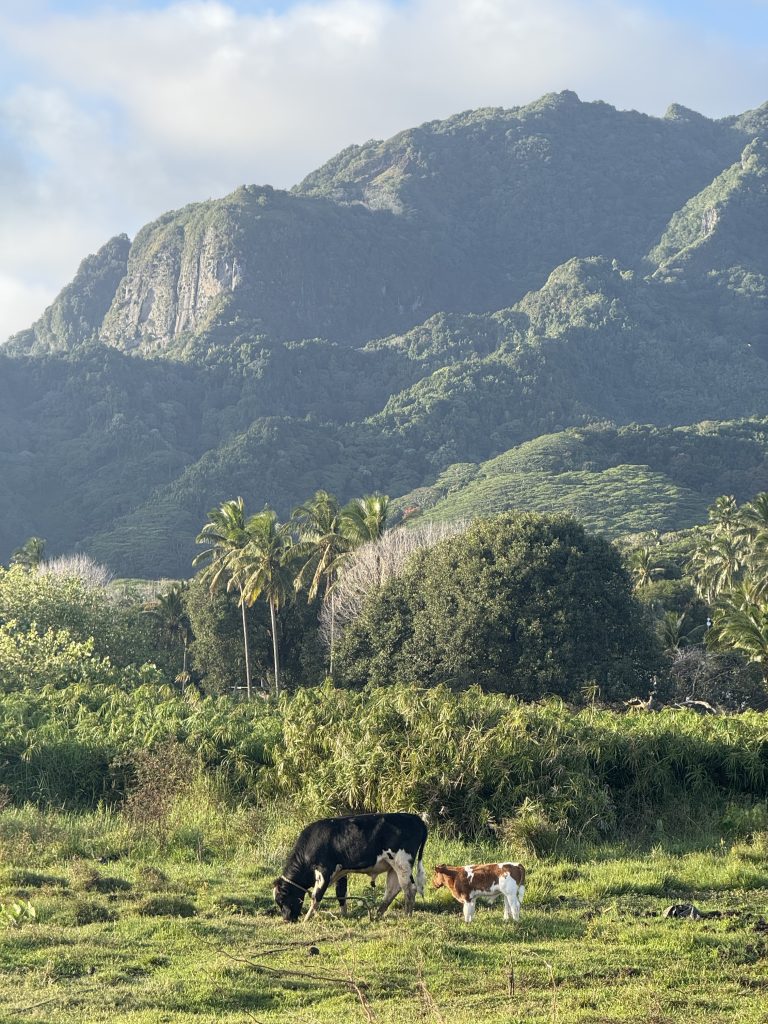
Later I decided to do my first hike of my trip. I found it on a physical map on the island I got when I arrived. When looking at it online, there was barely any information other than people warning it was quite demanding. I started the ascent using ropes and other materials put by other hikers god knows when. The path was barely visible — only a path of flowers put intentionally by someone else guided my way across the dense forest.
After a few minutes I reached the first viewpoint with an astonishing sight of the airport. I could have ended it there, but my body wanted some more action. It was a bad choice. I tried to continue going up. The flowers that once guided me were not visible anymore. At one point, the vegetation was so dense I couldn’t make it through with my backpack.
Some meters before reaching the final viewpoint, I got tangled in a tree root and I fell down on the rocks, making a bruise on my arm that soon started bleeding. Fun fact: I still have the scar of that incident seven months after. However, the views were so breathtaking that my brain forgot about the pain for a few minutes. I could not only see the airport but the entire North shore of the island, including Avarua and the mighty mountains of the center of Rarotonga.
The way back was even worse. I got lost several times and I ended up eating spider web (with the spider included in the menu). After this intense, but rewarding hike I went back to a beach I had visited the day before. In Rarotonga I started to enjoy sitting in silence hearing the waves crash while reading my book. I felt like I enjoyed doing that there than anywhere else.
My borrowed (or at this point, stolen) bike became my best friend in Rarotonga. I had been lacking any sort of social interaction for more than three weeks, and cruising around the island with my rusty friend prevented me from overthinking.
The next day I attempted to comple a full circle of the island. The first stop took me to an ancient sacred and burial site of one of the tribal chiefs of the Northeast of Rarotonga. Then, I headed to the museum of history to refresh my knowledge about the Cook Islands. This museum, although expensive, was really worth it. In just about 30 minutes you get to fully understand the archipelago better.
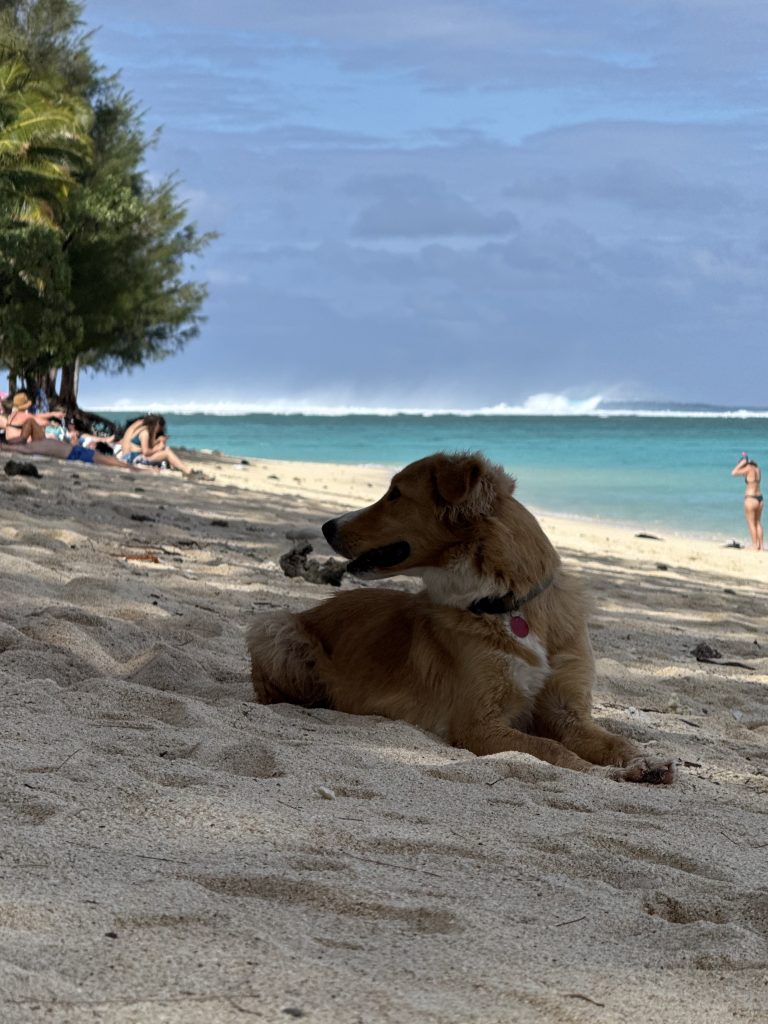
With a refreshed perspective on the history of Rarotonga and after a pit-stop at one of the supermarkets along the road, I made it to Aroa beach, where I was supposed to rent a kayak. As it was quite windy and I was told it would be better to come the next day. As I was not pressed by time, I took two hours to relax and sit at the beach, where I was amused by some stray dogs trying to hunt the drone of a tourist.
The ensemble of the island looks practically the same, especially around the coast. With the exception of the islands around Muri Beach, Rarotonga is quite homogeneous — but beautiful. After another pit stop in the South, I headed to the Muri Night market, where a large part of the population of the island seemed to gather after 5PM to have some delicious (and pricey) street food.
I ordered the cheapest thing on the menu and I ate my fries lonely looking at the crowds that gathered around the food stalls. I ended my day with a nice swim in the pool, which I had not tried until that day, minutes before it started raining. The weather did not help at all on my trip.
The next morning I woke up to a very intense rain that scrapped all of my plans. It only stopped pouring towards midday, when I decided to do my laundry and go to the supermarket to recharge my supplies. I guess it is alright to have a lazy day.
Still, I felt like if I stayed home I would be wasting a day in paradise, so as soon as three hours passed without any rain, I grabbed my bike and headed to the Raemaru Trek. Everybody online said I should not attempt doing it on a rainy day, but I figured out it would be more fun, although my shoes were not the best for this type of challenge. The first part of the ascent was quite pleasant, with a couple roots here and there that tried to make me fall.
The demanding part of the hike was the very end, with two segments of pure climbing with ropes and other elements to make it to the very top. Although it was extremely slippery from the rain, I managed to get to the top to enjoy some awesome views of the North-Eastern side of the island. Compared to the hike I did a couple days ago this one was way easier and enjoyable. Before it started raining again and with my shoes covered in dirt, I biked my way back home.
On Friday I was finally able to kayak after three frustrating attempts due to bad weather. And just when I thought I had freed myself from the curse of rain and wind, a new unexpected storm striked Rarotonga again. Tired of this lie they call “dry season”, I took my bike and headed to Muri Beach regardless of the weather.
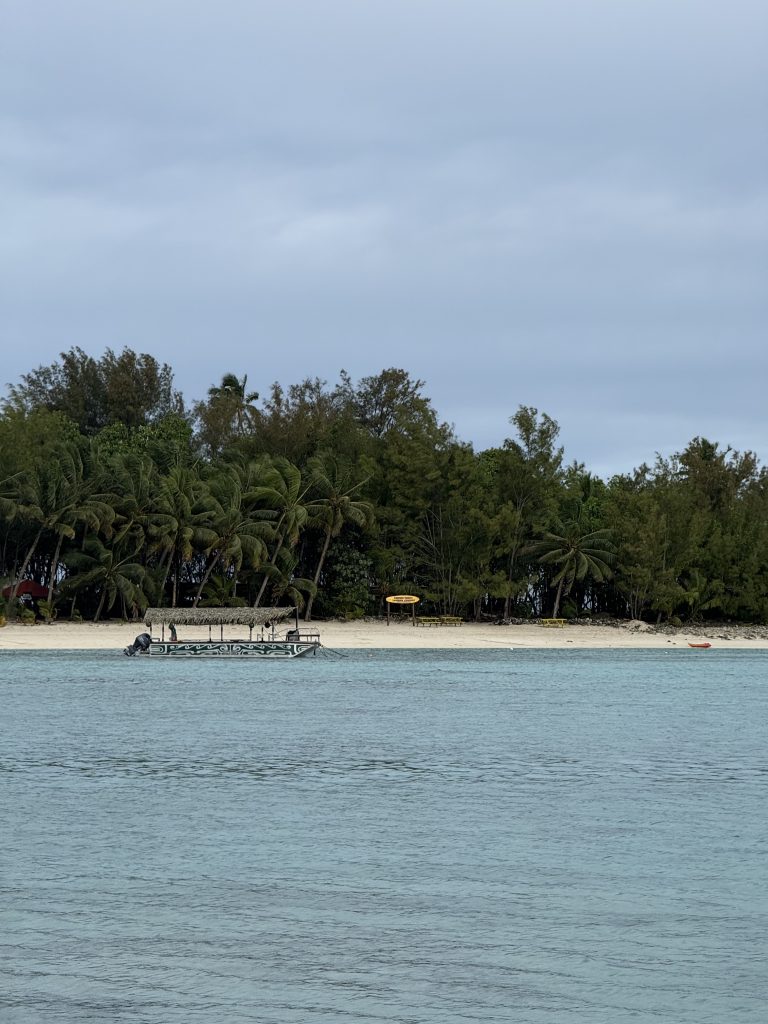
I should have been there before. Muri Beach is hidden behind a couple islands on the East coast. It is actually possible to walk to the small archipelago when the tide is low, as the water there is not too deep. When the sun hit the water and the sand beneath it, a magical turquoise color appeared. This was the closest definition of paradise I had seen this year.
To finish that uneventful Friday, I went to a place called Charlie’s to try one of Cook Islands’ national dishes — ika mata, which is some sort of ceviche with coconut milk. Absolutely delicious.
Saturday was my last full day on the island, that is why I decided to leave the most exciting thing to do for that day — a hike that crosses the island in two, diving deep into the Polynesian rainforest of Rarotonga. But before that, I had to fill up my calorie tank. On Saturdays there is a big market in Avarua, the capital, so I decide to get my breakfast there.
As I was walking to town, a stranger in her pick-up car offered me a ride. I accepted, and I jumped on the trunk. Perhaps not everyone was so cold after all? The market was full of life — there was live music playing, dozens of food stalls and souvenir shops.
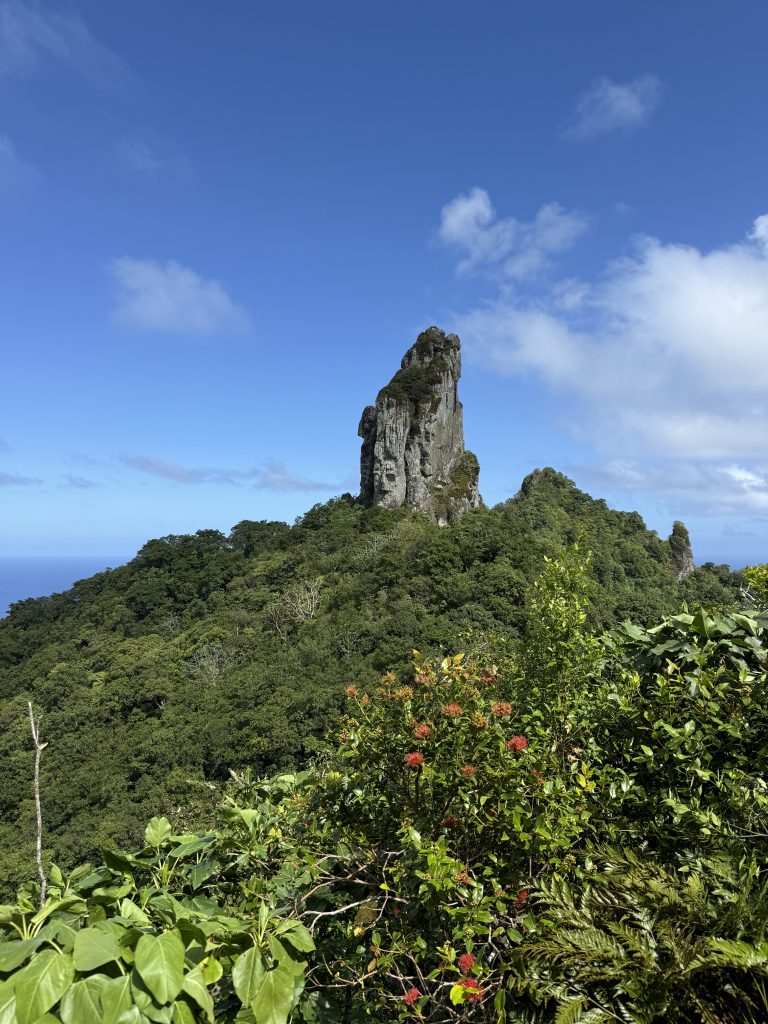
After having a big breakfast, I started my ascent into the heart of the island. The first part of the hike appeared to be quite vertical, but at least the path was clear this time. After sweating my entire outfit, I made it to the highest point of the course, which technically marks the middle point of the path. Taking a detour and climbing a bit, I was able to reach the base of The Needle, a peculiar stone formation that stands in the middle of the island. From here, I could see almost the entire island, from the town up North to the coral belt in the South.
The way down was more challenging — I kept (once again) sliding due to my poor footwear. The path crosses the Papua river several times which forced me to get into the water quite often. After turning my white shoes brown, I reached the end of the cross-island hike — the Papua Waterfall. Just as I was about to dive into the water, I realized there were hordes of mosquitoes trying to bite me. As I had read that dengue was still quite present in Rarotonga, I decided to skip my swim and head to the South coast.
After a hefty fish sandwich, I took the local bus back home. Before sunset, I went to the nearest beach with my book to enjoy one last moment of peace. Visiting Rarotonga was an absolute dream come true. I never thought I would be able to visit the Polynesia at 23 and I am sure these memories will stay with me forever. There was now just one more destination to finish my world tour.
A Hawaiian farewell to the adventure of my life
I woke up in Rarotonga without the smallest hint of stress. I said goodbye to my apartment for the last seven days and walked to the humble airport of the island, where an old man sang goodbye to the passengers with his ukulele. Saying goodbye to the Polynesian countryside was hard, who knows when I will be back in such a remote yet beautiful region?
The flight I took was rather special, as it is the only flight that connects the Cook Islands with America, or any other country that isn’t Australia or New Zealand. That flight operates only on Sunday and in less than six hours it took me to the one and only Honolulu, Hawaii.
After clearing immigration and customs in a record time for the US, I found myself in a Catch-22 situation. I wanted to take the bus to Waikiki, but the only way of paying for it was by cash, $3. I did have the cash, but the smallest bill I have is $100. I walked around the airport trying to find a coffee shop or a small souvenir shop to get smaller bills, but to my surprise, I just couldn’t find any open.
I spent a good half an hour walking around asking people for places where I can get rid of my $100 bill, and even a woman offered to pay for my ride, which I politely declined. I gave up on this ridiculous situation and I ordered an Uber. At least it was cheaper than I thought.
Hawaii is the opposite of Rarotonga. Two completely different versions of the Polynesia. One is humble, quiet and offers a rather harmonious and sustainable offer to tourists that want to immerse themselves in the culture of the island while enjoying its nature to its fullest. The other is simply devoured by capitalism and mass tourism.
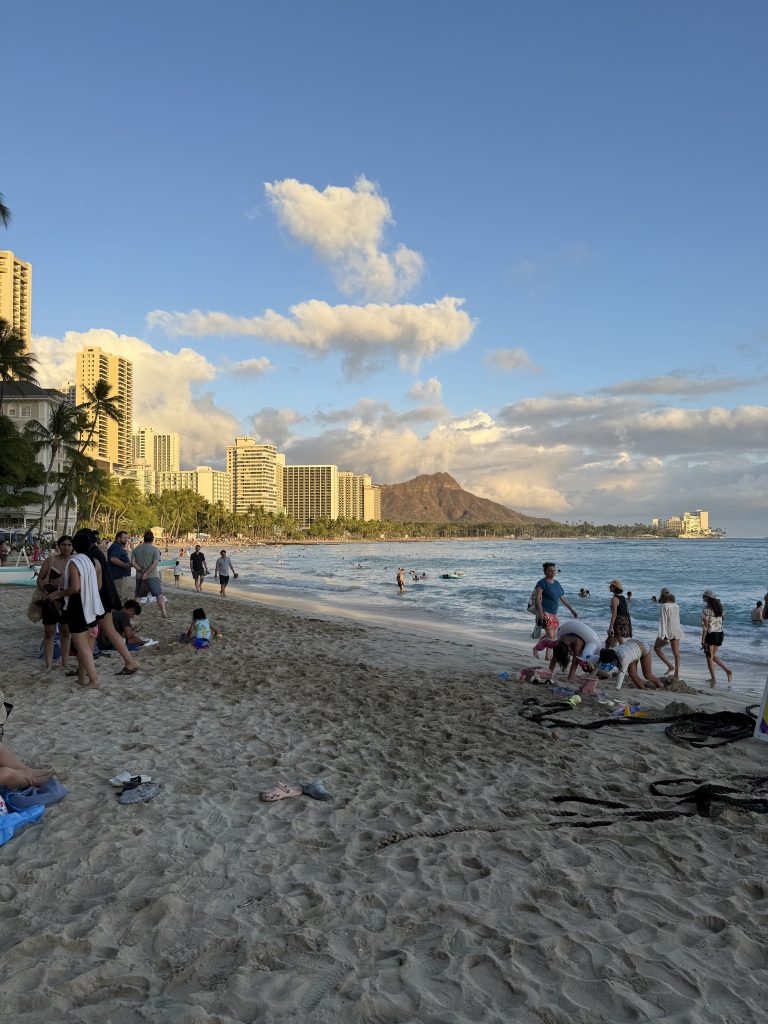
After a week in a quiet paradise, Waikiki was a complete shock to me. The hordes of tourists, the overcrowded beaches, the luxury shops, the noise, the lights…everything I was expecting from Hawaii I found it just a few hours after landing. Still, I cannot say I was disappointed, because it is exactly what I was expecting. And I was OK with that.
As a kid I was obsessed with Hawaii 5-0, and since then it had been my dream to visit Hawaii. This being the last destination of my world tour was simply a perfect way to put an end to this trip. I walked around the entire city to see the few things it has to offer apart from Waikiki. Honolulu is shiny, but at the same time a bit desolate and even empty at times.
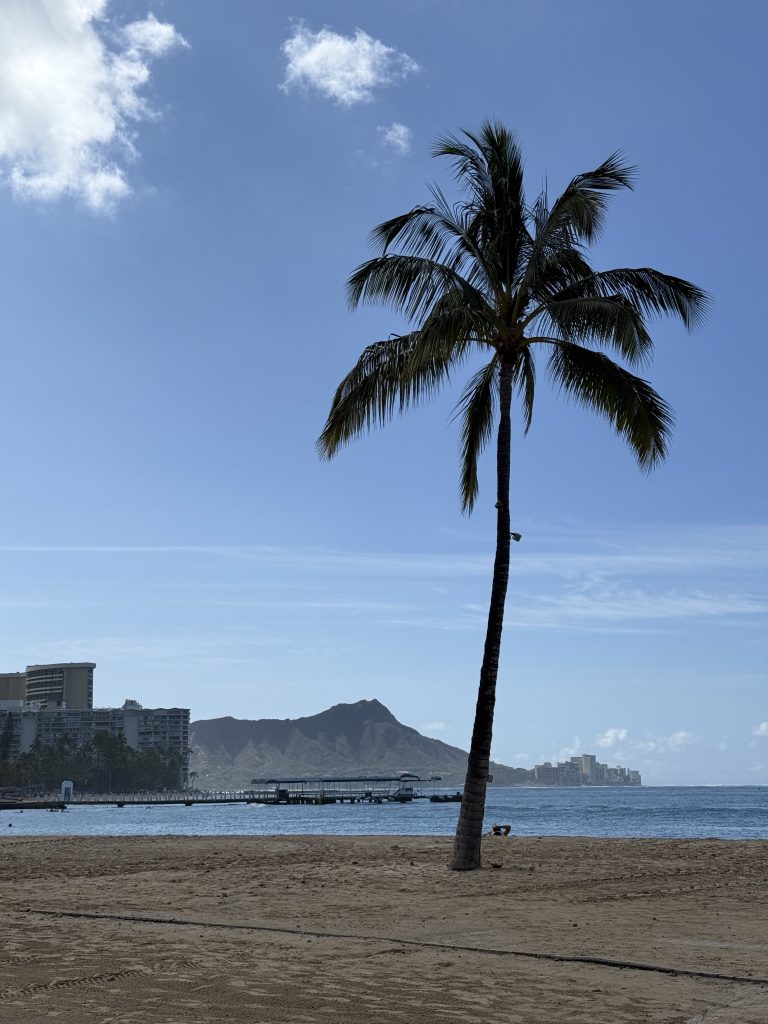
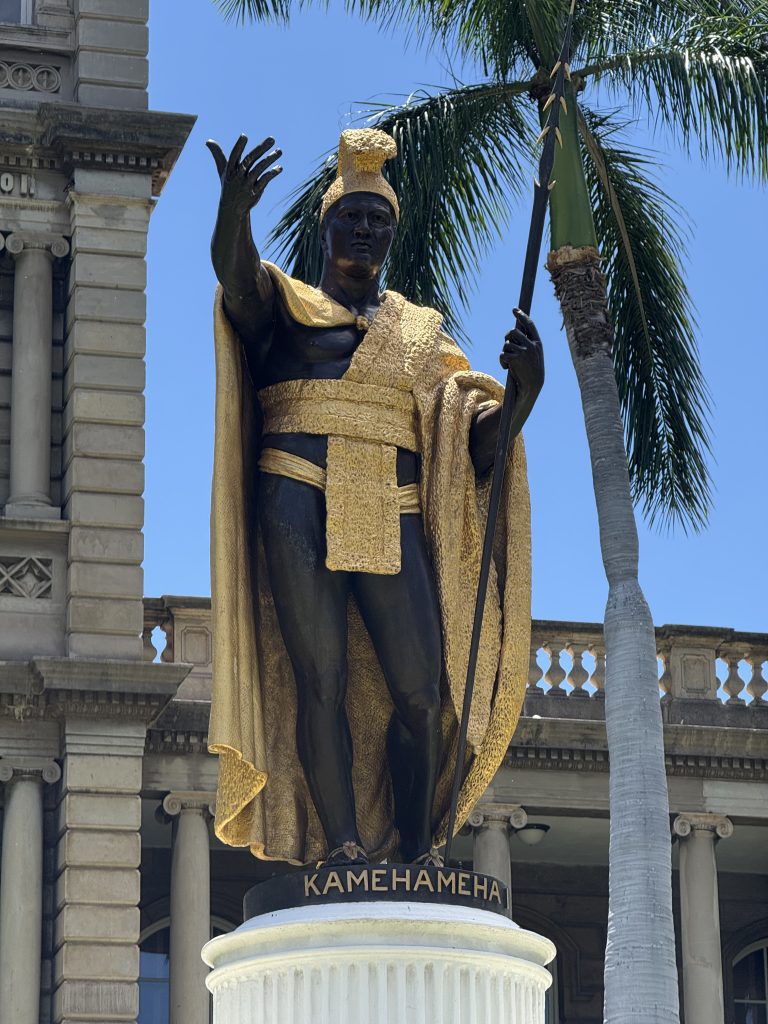
The most important part of the city — the Iolani Palace and the Capitol, seemed like a small exception in an otherwise sea of cement and architecture from the 70s and 80s. Honolulu has a futurist-brutalist that I was not expecting, but that I think I like. I took a bus to the Pearl Harbor memorial, where I accessed the museums that are free of charge for the general public to learn more about the War in the Pacific. It was probably my favorite part of the city so far.
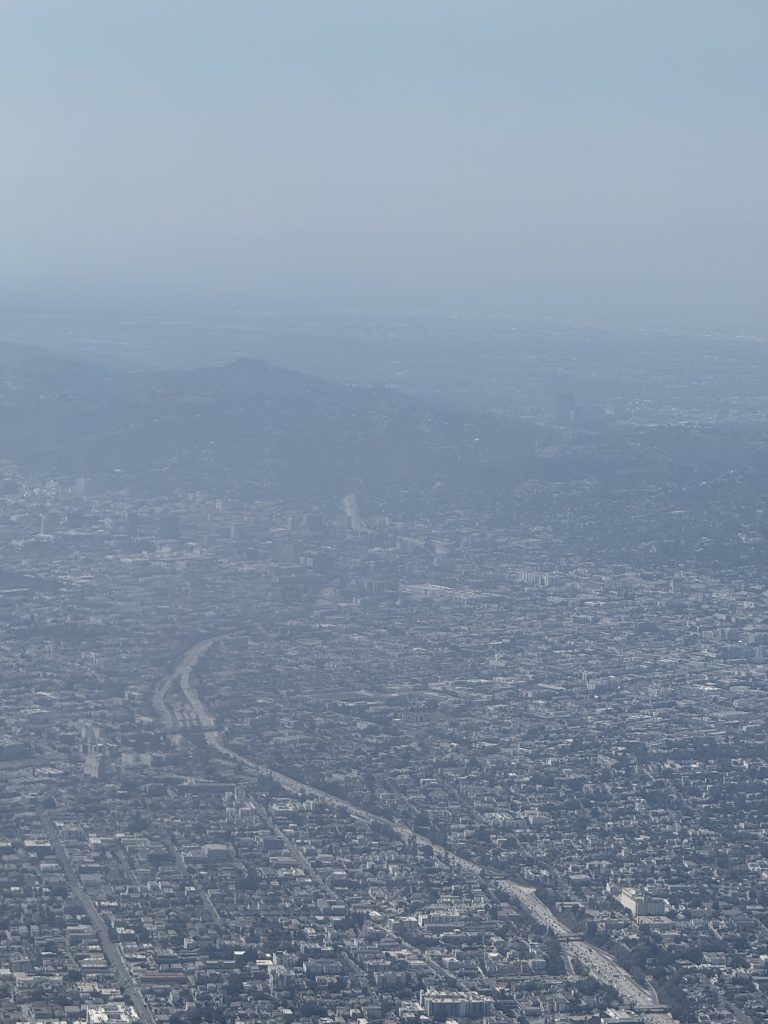
To say goodbye to the last destination of my world tour, I headed back to Waikiki to watch the sunset as I ate my second açai bowl of the day. On my way back to Europe I did two layovers, one in Seattle and one in LA. As I had around five hours in between each flight, I decided to risk it and briefly visit each of the cities. Some would say it was a waste of time, for me it was one of the best things of this trip — who would say I would be visiting the city center of Seattle for 20 minutes or sipping a matcha latte in suburban LA in a 5-hour layover?
As I walked around the dodgy streets of these two cities, I wrapped up my final thoughts on this journey. Earlier that year I had lost the enthusiasm that had led me to travel around these last five years. It was as if my passion for getting to know new places had disappeared all of a sudden.
This tour of the world was spontaneous, I wasn’t really sure if I should do it or not, but the thought of being in my hometown for two months straight horrified me, that is why I made this choice. And I do not regret it, not a single bit of it. This trip, with its flaws, dramas and complications made me grow as a person. I know this is a cliché, but I feel something inside me changed, or better even — improved.
I feel like I improved my patience and resilience. I learned to take it easy. Spending so much time on my own allowed me to do a better introspection of my inner-self, and in a sense, it acted as therapy. In this trip I lost flights, T-Shirts, money, I spent more than two days without sleeping and I didn’t eat more than three hot plates per week. Yet it didn’t bother me, because I learned to go with the flow, to stop stressing about small things that in such a big world mean nothing.
All those things that piss us off when traveling are often insignificant. Being grateful for the mere fact of being able to move freely around the world is in itself a privilege, and regardless of the conditions in which I made this tour, it is already a victory. Something to be proud of and embrace in whichever form it may come.
I cannot wait for my second world tour. I will keep these memories and lessons for the years to come. Traveling is learning, and learning is power over oneself and the environment we move around. With these words in my mind, I boarded my final flight to Paris.
Thank you for reading until the end!